Beirut to Damascus by bus (and vice versa)

In case you don’t want to join one of our Syria tours where we usually provide transport from Beirut for free, you can cross the border by yourself. Did you know that you can travel from Beirut to Damascus by bus (or vice versa) for less than 10 USD each way. However, there are many steps involved. Follow along with the article to learn how.

IF travelling from Beirut to Damascus:

First, go to Cola station (exactly at this location: https://maps.app.goo.gl/Pch6j3Xv2pY7m3i87). You will find minivans heading towards Chtoura in the Bekaa valley. Get in one of them. It currently costs 300,000 Lebanese Lira per person (just over 3 USD). They look like the image below:
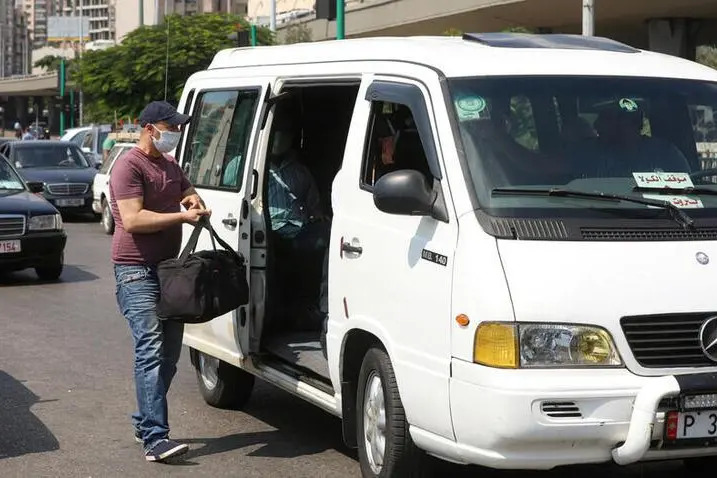
Beirut to Damascus by bus

After around an hour you should arrive in Chtoura. You can also exchange money to Syrian Lira here. After you get out of the bus, you can find another similar minivan heading to Masnaa (the border crossing with Syria) for 100,000 Lira (1 USD). When you arrive, ignore all of the drivers offering to take you to Damascus, and go and get your passport stamped out of Lebanon.

Once you are stamped out of Lebanon, go through customs and find a car heading to the Syrian side of the border. I suggest paying the driver 1 or 2 USD each to the Syrian side of the border (or the equivalent in Syrian or Lebanese currency), as he is heading there anyway.

After getting stamped into Syria, pass through customs, and you will find a similar minivan heading to Damascus. They currently charge 25,000 Syrian Lira per person (around 2.5 USD). You might have to wait a while for it to fill up before the minivan leaves. He will drop you at Somariyah station (exactly here). You can cross to the other side of the highway and find another minivan heading towards central Damascus from there (Baramkah).

IF travelling from Damascus to Beirut:

If you are travelling the other way around, you basically have to follow the same steps. Make sure you go to Somariyah station (exactly here) and search for a minivan heading towards Jdeidet Yabous (the Syrian side of the border). The minivans are usually located inside the station on the left hand side – ignore the taxi drivers that offer to take you to the border if you’re on a budget.

Once arriving at the border, you can follow the same steps mentioned above, but in reverse.

Travelling from Beirut to Damascus by bus this way shouldn’t take too much longer than going by taxi – around 4 hours should be enough. Safe travels and enjoy Syria!
Syria Visa Fees 2025

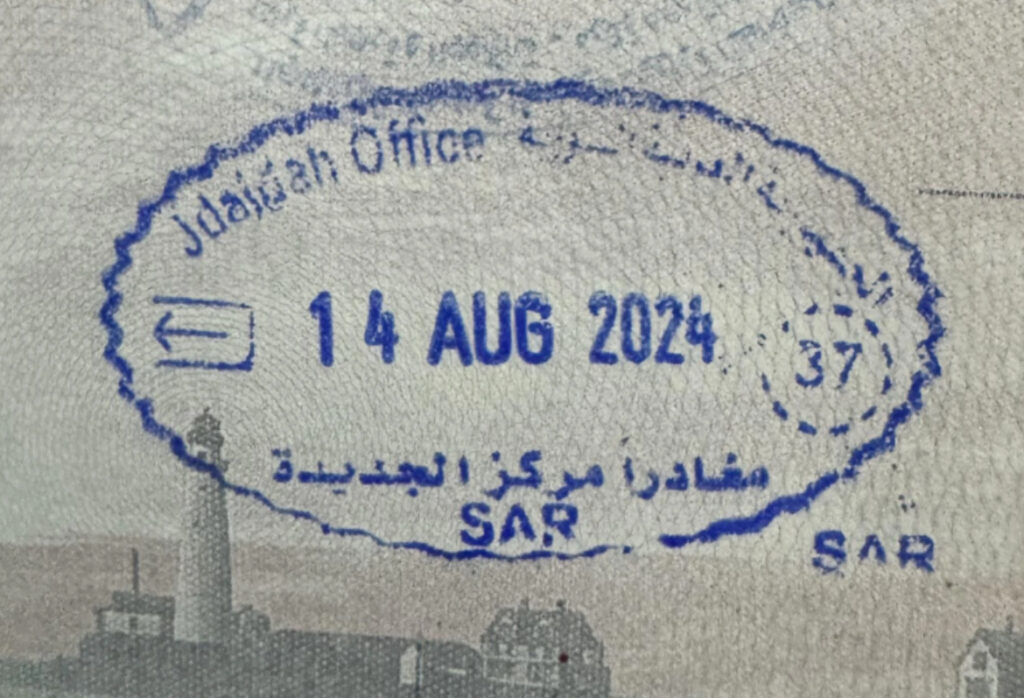
Since the 6th of June, 2025, Syria visa fees are being imposed at all entry points to Syria. While it was previously possible to enter for free if entering by land, this is no longer the case. If you’d like to visit Syria with us, check out our SYRIA TOURS.

The current Syria visa fees (June 2025) are as follows:

Group 1: Jordan, Lebanon, Malaysia, Mauritania

Free, 6 months stay (although certain requirements for Lebanese citizens to enter)

Group 2: Serbia

Free entry.

Group 3: Algeria, Cuba, Egypt, Pakistan, Tanzania, China, Trinidad and Tobago, Azerbaijan, Peru, Montenegro, Morocco, Angola, Botswana, Chad, Sri Lanka, Tajikistan, Cambodia, Mongolia, Maritius, Namibia, Ecuador, Tuvalu, Sudan, Yemen, Seychelles

25 USD, 1 month stay OR

40 USD, 2 entries within 3 months OR

50 USD, Multiple entry within 6 months OR

15 USD, Transit, 15 days

Group 4: Turkey, Iraq, Qatar, Saudi Arabia, Indonesia, Senegal, Armenia, Venezuela, Chile, Japan, Russia, South Korea, Colombia, Brazil, Cyprus, Central African Republic, Uruguay, Albania, Bosnia and Herzegovina, Cape Verde, Mexico, Niger, India, Benin, Grenada, Ethiopia, Vanuatu, Cote d’Ivoire, Georgia, Luxembourg, Rwanda, Zambia, Zimbabwe, Singapore, Swaziland, Suriname, Gambia, Guyana, Guinea, Libya, Liberia, Malawi, Mali, Thailand, Mozambique, Myanmar, Nepal

50 USD, 1 month stay OR

75 USD, 2 entries within 3 months OR

100 USD, Multiple entry within 6 months OR

25 USD, Transit, 15 days

Group 5: South Africa, Austria, Romania, Hungary, Greece, Switzerland, Belarus, Belgium, Sweden, France, Germany, Tunisia, Spain, Paraguay, The Netherlands, Bulgaria, Oman, The Philippines, Bahrain, Portugal, Denmark, Somalia, Norway, Iceland, Italy, Poland, Czechia, Slovakia, Slovenia, Guinea Bissau, Finland, Kazakhstan, The Bahamas, Latvia, Lithuania, Lesotho, Malta, Moldova, Macedonia

75 USD, 1 month stay OR

110 USD, 2 entries within 3 months OR

150 USD, Multiple entry within 6 months OR

40 USD, Transit, 15 days

Group 6: United Arab Emirates, Uganda, Djibouti, Sierra Leone, Canada

100 USD, 1 month stay OR

150 USD, 2 entries within 3 months OR

200 USD, Multiple entry within 6 months OR

50 USD, Transit, 15 days


Group 7: Nigeria, Kenya, Uzbekistan, United Kingdom, Australia, Afghanistan, Argentina, Burundi, Dominican Republic, Fiji, Eswatini, Cameroon, Equitorial Guinea, Ghana New Zealand

150 USD, 1 month stay OR

225 USD, 2 entries within 3 months OR

300 USD, Multiple entry within 6 months OR

75 USD, Transit, 15 days


Group 8: USA, Gabon, Kyrgyzstan

200 USD, 1 month stay OR

300 USD, 2 entries within 3 months OR

400 USD, Multiple entry within 6 months OR

100 USD, Transit, 15 days

Group 9: Marshall Islands, Congo (not clear which one, or both), North Korea

300 USD, 1 month stay OR

350 USD, 2 entries within 3 months OR

400 USD, Multiple entry within 6 months OR

150 USD, Transit, 15 days

Group 10: Iran

400 USD, 1 month stay OR

500 USD, 2 entries within 3 months OR

800 USD, Multiple entry within 6 months OR

250 USD, Transit, 15 days

Group 10: All other countries that are not mentioned

50 USD, 1 month stay OR

75 USD, 2 entries within 3 months OR

100 USD, Multiple entry within 6 months OR

25 USD, Transit, 15 days

Syria Tourism After Assad – is it possible to visit?

Tourism in Syria after the fall of President Assad is possible. But is it safe? And what are the conditions that are imposed on foreign visitors. As a foreign national that crossed the border into Syria a mere 6 days after the regime collapsed, and as someone who runs group tours to the country, you’re in the right place to be asking!

Syria tourism
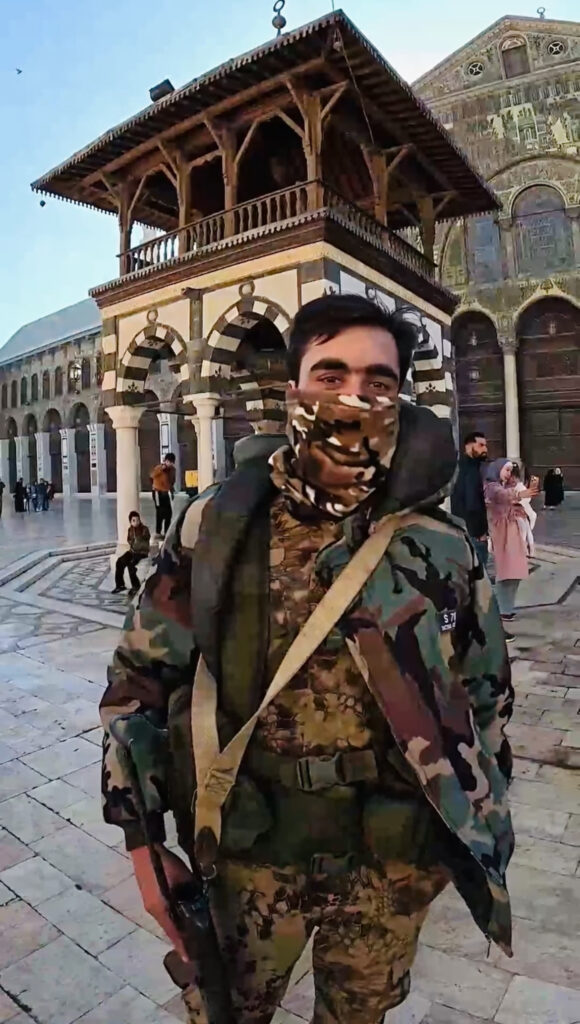
A fighter from HTS in Damascus

Is it true that visas are not required?!

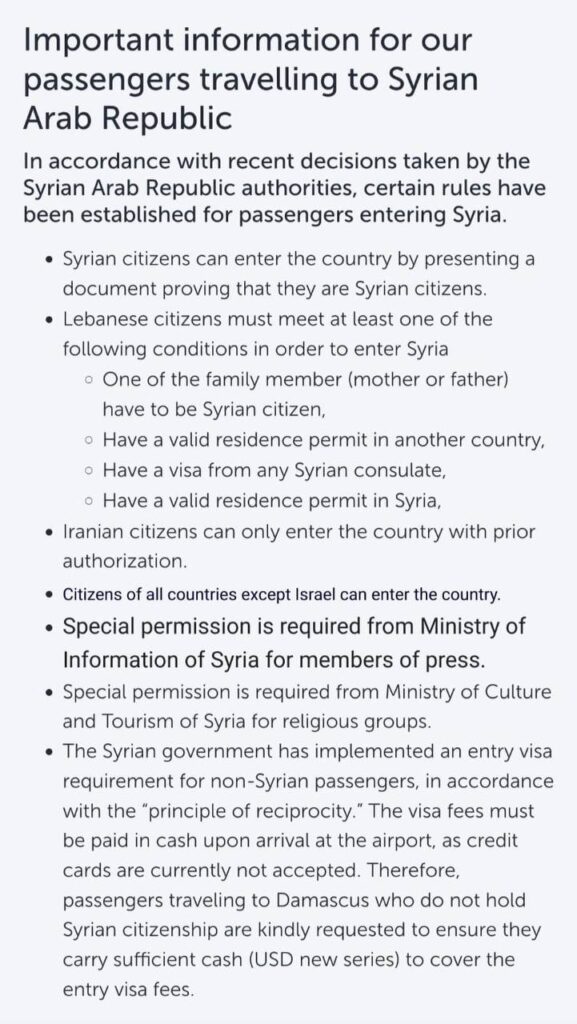
Currently (8th February 2025), all nationalities are exempt from visas (which are not currently being issued anyhow), but certain nationalities face restrictions. For instance, if you’re Iranian or Israeli, it’s not possible to enter Syria. For Lebanese, there are certain conditions. But for most nationalities, it is MUCH easier than under the days of Assad.

Currently, it is possible to enter Syria as a foreign tourist by land from Lebanon or Jordan (currently prohibited in most cases from Turkey and Iraq). In most cases, upon arrival at Syrian immigration, you will be asked your purpose of visit, and whether they allow you to enter or not is up to their discretion. In most cases, you’ll be stamped through and welcomed quickly, but there have been cases or people being turned away for seemingly arbitrary reasons (having too many tatooes for instance). Having a document indicating that you have booked a tour, or its itinerary, certainly helps. Entry is also free of charge.

If you choose to fly into Damascus, authorities at the airport are easily letting foreigners in without questions, but they have to pay 50 USD to enter. One issue, though, is whether the airline will let you board without a valid visa. I suggest checking with the airline before booking. Turkish Airlines has announced that foreigners will be allowed to board their flights, but other airlines (particularly Qatar Airways) appears less lenient.

Turkish Airlines conditions to enter Syria
Turkish airlines conditions to enter Syria

What is INSANE though is that currently, you are allowed to stay in Syria as long as you wish, as no time limit is being enforced.

Is independent travel allowed?

Tourism in Syria during Assad was very tightly controlled! Meaning that most foreign tourists had to have a guide assigned to them from the moment of entry until the moment of exit, with large surveillance from the intelligence services. Now, tourists are not bound by such conditions, and if you manage to enter Syria, then you can travel freely across most areas of the country (SDF controlled areas such as Raqqa still require special permission). Does that mean that I recommend independent travel? No. Syria has just come out of turmoil, and it is a complicated place to navigate if you’re not familiar. It is safer to go with a guide, and you’ll be having a richer experience.

Is tourism in Syria safe, after Assad?

Currently, parts of the country are still unstable, especially rural regions along the Syrian coast and Homs province. Furthermore, Kurdish forces still control swathes of the East, and it is not clear whether they will come to an agreement with the new government. Also, an Israeli occupation is still holding territory in the south. It is also true that elements of the new government were members, or supporters, of extremist groups. This might sound worrying, but the reality on the ground is that major cities are all safe, as are most areas of touristic interest. Hence, we have decided to resume our group tours to Syria, starting in April. If you are interested, be sure to let us know.

Zet Border Crossing (Iraq – Turkey): how to cross

After joining one of our Iraq tours, you might decide that you want to visit Turkey! Well, you can go by land. It’s only been around a year since Iraq and Turkey inaugurated a new border crossing between the two – the Zet border crossing. However, it’s not exactly simple to cross as a foreigner, especially if you’re crossing from Iraq to Turkey. This is partly because transportation to the border is difficult, and also because of the border procedures themself. Make sure you read on if you don’t want to get turned around at the border (like I was!). We decided to cross this border to explore Turkey’s fascinating Hakkari region – one of my favourite destinations in the country that few people visit.

IMPORTANT point: the crossing is only for pedestrians – no cars!

Zet Border Crossing Iraq Turkey
The Iraqi Turkish Zet Border Crossing

Crossing from Iraq to Turkey

From Erbil, there is no direct transport to the border. We decided to hitchhike (which was fairly easy) but you can also take public transport to Soran from Erbil Terminal. From Soran, people told us that you can find shared taxis to the Zet border crossing. Keep in mind that it’s good to leave early, because the border closes at around 5pm.

Getting turned around at the border!

When we arrived at Zet border crossing, the Iraqi Kurdish officials refused to stamp me out, seeing as they didn’t recognise my Iraqi federal visa. They told me that I had to return to Erbil (three hours away) to get a Kurdistan exit visa before they would let me cross. This is not the case if you use other border crossings, such as the more common Ibrahim Khalil crossing.

Seeing as we were determined to go to Hakkari and to cross the Zet border crossing, we returned to Erbil to get this stamp! It cost me 60,000 Iraqi dinar (around 40 USD). You can get it by visiting the second floor of the Erbil immigration building. We then returned to the border the following day.

Kurdistan Exit Visa

Finally crossing the Zet border crossing

The Iraqi Kurdish border guards, after stamping me out, singled me and my friend out for special checks of our bags. This took quite a while, and involved questioning. It took around an hour to get out of the Iraqi side, despite the fact that it wasn’t busy at all. The Turkish side took less than five minutes, immediately stamping our passports and putting our bags through a scanner before entering.

Onward travel from Zet border crossing

After crossing the Zet border crossing, there are minivans that can take you to Şemdinli town, which itself is very pleasant and scenic. From there, you can either spend the night, or you can travel onward to Yuksekova or Hakkari. Hakkari city itself truly has some of the best people and scenery in all of Turkey, and I totally recommend visiting – especially the Cennet Cehennem Vadisi!

History of Arba’een – the world’s LARGEST annual pilgrimage

Many people know that the Arba’een pilgrimage to Iraq, is the world’s largest annual public gathering. In some years, the city of Karbala hosts more than 20 million visitors, such as in 2022, as reported by Al Jazeera. But this was not always the case. In fact, during the rule of deposed President Saddam Hussein, this entire pilgrimage was banned. In this article, I’m going to be going through the history of Arba’een and what it actually is.

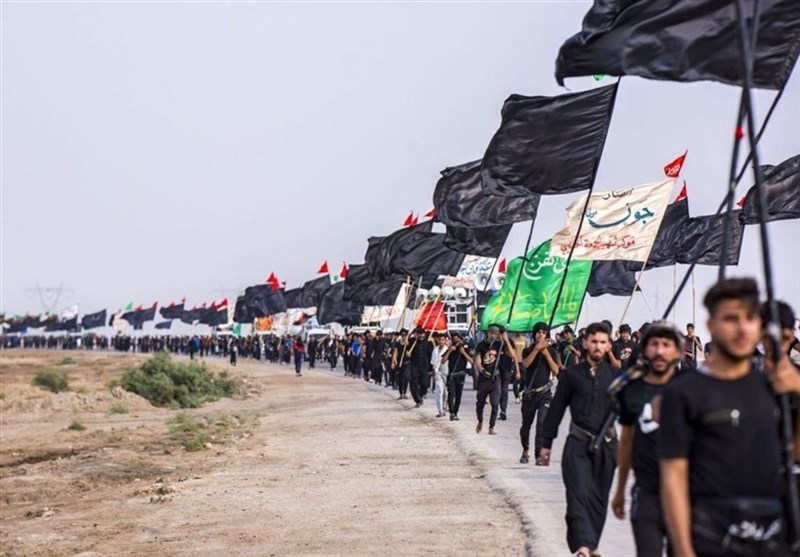
Arba’een literally means ‘forty’ in Arabic, marking the end of the forty-day mourning season following the martyrdom of Imam Hussein, the grandson of prophet Muhammad (pbuh) and an extremely important figure for Muslims, especially those of the Shi’ite sect. To mark the end of the mourning period, pilgrims make their way to the city of Karbala, where Imam Hussein (Husayn) was martyred. Currently, most people start their pilgrimage in the holy city of Najaf, about 75 kilometres away, and walk to Karbala from there. However, some people walk all the way from Basra, in southern Iraq, or Mashhad in Iran, which is thousands of kilometres away. That’s a long way to walk!

The sight of the pilgrims walking to Karbala is truly one to behold. Volunteers set up these little tents and shelters beside to the road in order to provide the pilgrims with free food, water, accommodation, and more. Imagine feeding 20 million pilgrims, for free! That is a lot of food.

But what is the history of Arba’een?

How did the pilgrimage start?

Most people believe that one of the prophet Muhammad’s companions named Jabir Ibn Abdallah was the first person to make the pilgrimage to Imam Hussein’s burial place, 40 days after his martyrdom in the year 680 AD (which is the year 61 in the Islamic Hijri calendar). Jabir Ibn Abdallah’s pilgrimage was all the way from Medina in modern day Saudi Arabia to Karbala, a distance of around 1300 kilometres. However, in the centuries to follow, the tradition of walking to Karbala was not followed by many.

So if people weren’t doing this pilgrimage historically, why are so many people doing it now?

In the year 1901 (1319 Hijri), an Iranian scholar known as Sheikh Mirza Hussein Noori decided to revive the pilgrimage first undertaken by Jabir Ibn Abdallah. He gathered his friends and family to join him, and with a total entourage of about 30 people, he embarked on a journey by foot from Najaf to Karbala. After completion, he decided to do this pilgrimage every year until the day he died, bringing more and more people with him.

Over the years, the numbers of people undertaking the pilgrimage grew, but it wasn’t ever more than the amount of people going to Haj, which is a mandatory pilgrimage for Muslims that can afford it. In recent years, however, going to Haj isn’t easy for everyone. It’s expensive, requires a visa for most, and often you have to be put on a waiting list for years before being accepted. For most of the world’s Shi’ite Muslims, Arba’een is much easier to attend – Iraqi Shi’ites just have to travel within their own country while Iranians and Lebanese don’t have to travel too far either. Visas (if required) are also easier to get than Haj, with many Pakistani and Afghan Shi’ites also attending.

For decades, the Arba’een pilgrimage was banned!

During the rule of Saddam Hussein, Arba’een was completely banned, meaning that during the 1980s and 1990s, very few people took this route by foot. That doesn’t mean that pilgrim flows reached zero, however, with some people still undertaking the pilgrimage in secret, often taking smaller roads where the authorities might not have so much surveillance. My Iraqi friends tell me that during this period of time, those undertaking Arba’een would risk arrest and disappearance, with fears that many of them may have been killed.

Since the US invaded Iraq in 2003, pilgrims started to return to this famous route. Despite low pilgrim numbers during the years of Coronavirus border closures and lockdowns, pilgrim numbers are still rising year on year. During the rest of the year, Karbala has a population of less than 1 million. So you can only imagine how crowded it gets when there are 20 million people in town! The history of Arba’een was quite humble compared to it’s modern day numbers!

Interested in experiencing Arba’een?

Well, we run tours to Iraq during Arba’een, where you’ll be able to walk from Najaf to Karbala with the pilgrims. Non Muslims are welcome, as are people from every nationality. Check out this page for tour dates and information, both to Iraq and Syria.