Syria tourism: a revival?

In 2010, before the start of the Syrian war, more than 8.5 million international tourists visited Syria. In the years to follow, however, numbers significantly dropped, as war and instability took root in most corners of the country. Now, Assad has fallen, and draconian Assadist rules on foreigners were lifted, allowing tourists to travel independently in Syria. As a company that offers Syria tours, we have received increased interest in Syria tourism in recent months. But is this trend likely to continue, and is it safe to visit?
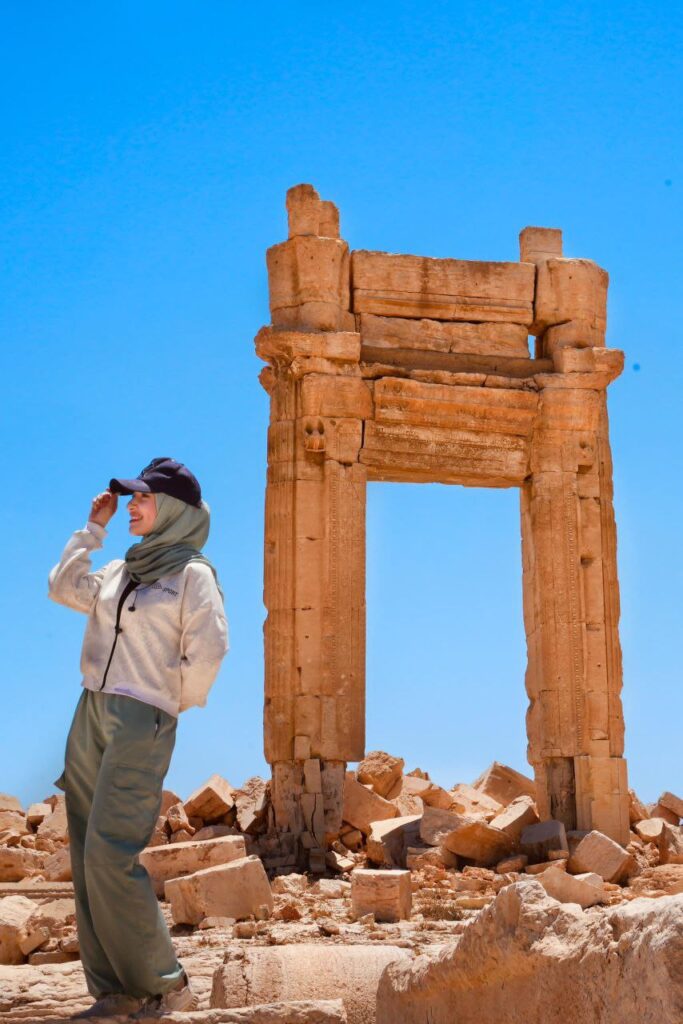
Palmyra ruins in Syria
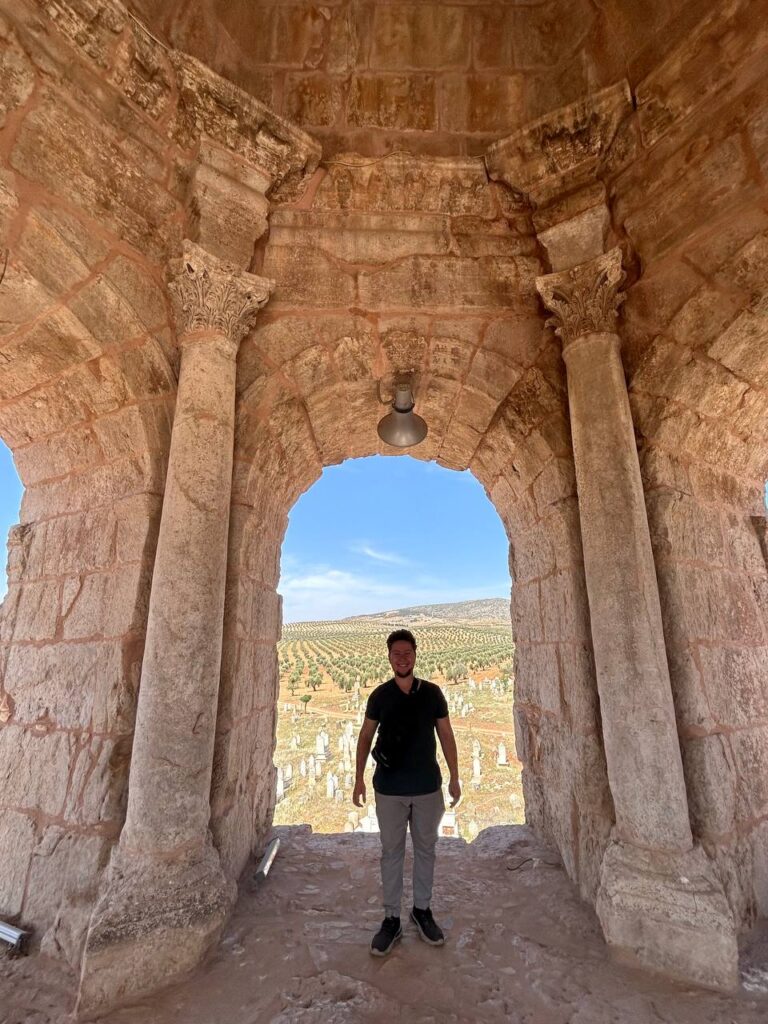
Tour Guide Lubana at the Palmyra Ruins

Is Syria stable enough for tourism?

Since November 2024, the pace and scale of the changes that have happened in Syria have been completely unprecedented. A government fell in 11 days, Israeli has occupied territory in the south, clashes with the new government and the SDF at the Tishreen Dam have taken place, massacres on the coast, and sectarian tensions are just some of the issues that have faced Syria.

But, a dictator has also fallen, exchange rates have improved, and US sanctions on Syria are to be lifted! Political prisoners have been released, electricity hours have improved and in general, optimism for the future is at an all time high.

All in all, whilst is is currently safe to visit major cities and tourist attractions in Syria, and while we are very optimistic about the future, we are still obliged to monitor the situation in parts of the country on a regular basis before we take a group there. Security is our utmost concern, and as such, there are parts of the country that we do not take tourists to. Even if the risk is minimal, we prefer it to be none.

The future, however, looks optimistic. Once the economic situation stabilizes and the deal with the SDF is implemented, the whole situation in Syria will likely become more stable.

Is it worth visiting Syria?

ABSOLUTELY! Many of our customers tell us that Syria as their best destination of yet. There is simply so much to offer, from ancient ruins to authentic culture, to religious and natural diversity, to food and hospitality, and more! But by visiting Syria with us, you won’t just be a regular tourist – you will be on a learning experience. About the complex political situation, the culture, the war, the history, and so much more. You’ll leave Syria so much more knowledgeable about the region than when you arrived.

North East Syria Tourism: Raqqa

We are also offering tours to North Eastern Syria, also known by Kurds as Rojava, as well as Raqqa, Suweida and more parts of the country that are only recently open to tourism. So come and join us on a tour of Syria!

Jaabar Castle: a trip in Raqqa, Syria 2025

Previously known to be the capital of ISIS, Syria’s Raqqa province has got a lot to offer to tourists. Jaabar Castle is perhaps my favourite touristic site in the province, located just over a hour’s drive from the city. If you’re interested in a tour to Raqqa or North East Syria, or Syria group tours in other provinces, make sure you contact us. We were fortunate to visit Jaabar Castle for the first time in April 2025 on a day-trip from Raqqa city.

Jaabar Castle in Raqqa, Syria

History of Jaabar Castle

Prior to the 11th Century AD, the castle was known as Dawsar castle. Although the exact age is unknown, locals there believe that it dates back to the 7th Century. However, it was named Jaabar Castle after Ja’bar ibn Sabiq, who possessed the castle and was also killed there in the 11th Century. However, most of the construction of Jaabar castle took place at the hands of Nur al-Din in the 12th Century AD, making up most of what we see today.

One interesting part of the castle’s history is that it was home to the tomb of Suleyman Shah, grandfather of Osman I, the founder of the Ottoman empire. Until 1973, due to a special treaty with Turkey, the area of the tomb was actually considered as Turkish territory, with Turkish soldiers guarding the tomb. However, due to rising water levels, the tomb was moved, and it became fully sovereign Syrian territory.

The Lake

In the 1970, the Syrian government of Hafez Al Assad built the Tabqa dam, creating Syria’s largest lake. Water levels surrounded Jaabar castle, and it has since become an island in the lake, connected to the rest of Raqqa province by a short strip of land. This lake was known as Assad Lake, although I expect that a new name will be given to it soon!

Before the dam was built, Jaabar Castle looked like this:

How to visit?

To visit North Eastern Syria, and all areas under SDF control, you will require special permission. The easiest way to do this is if you book a tour, but if you know local people, it’s also possible for them to sponsor you by visiting the residency directorate in Raqqa or Qamishli city. Once you’re in Raqqa, you can take a private taxi to Jaabar Castle for around 40 USD return. Or, you can take public transport to Tabqa city, and take a taxi from there (cheaper).

View of Lake Assad from Jaabar Castle

If you get the chance, don’t miss sunset from Jaabar Castle! It’s one of the best places in Syria where you can watch the sunset.

If you have any questions or if you would like to book a tour, please feel free to message me:

  • Email: xavier@travelingtheunknown.com
  • WhatsApp (preferred): +447905681636

Afrin Syria: a visit to the land of olives (2025)

Located in Aleppo countryside, beautiful land of Afrin, Syria, is populated primarily by Kurds. We visited this beautiful region to May 2025 to learn more about it’s recent and ancient history, and we now offer trips to Afrin as part of our Syria tours program. What is there to know, and to see, in this beautiful region of Syria?

I love Afrin, Syria

Recent History of Afrin, Syria

During the Syrian war, the Afrin region was controlled for the most part by the Kurdish YPG, with Russian support (as opposed to American, as in North East Syria). However, in 2018, following a Russian withdrawal, the Turkish army and their Syrian allies invaded, taking control of the region. I’m not going to get too deep into the politics, as that’s not what I cover, but you can read more about it here.

Olive production in Afrin

Olive trees in Afrin, Syria

In Afrin, the local economy relies mostly upon olive production. Everywhere you look in the whole region is just filled with olive trees! Throughout the whole of Syria, Afrin olives are famous, with the main olive season being in October. Locals told me that over 60% of the total land area of Afrin is covered with olive trees.

Historical sites in Afrin, Syria

The most famous historical site in Afrin is Ain Dara, with an ancient temple dating back thousands of years. However, it is said that during the invasion in 2018, most of the ruined site was reduced to rubble and famous basalt lion was stolen. We had heard that the current site is filled with landmines and as such, we didn’t even attempt to go. We did, however visit some other sites.

Roman bridge in Afrin, Syria

The northern part of Afrin, Syria, has two Roman Bridges, which are said to date back to the 2nd Century. Just like the rest of Afrin, you can admire these bridges whilst looking at the olive tree landscape in the background. These two Roman bridges are located near the Nebi Huri Mausoleum, another important site.

The Nebi Huri Mausoleum and mosuqe in Afrin, Syria, was built around a Roman-era tower/tomb, dating back to the 2nd or 3rd Century BC. However, in the 14th Century AD, under the Mamluk period, the tomb was turned into a Muslim shrine, dedicated to a Sufi saint known as Nebi Huri. In the recent war in 2018, it was heavily damaged, but has been renovated by Turkish authorities in 2021.

Brad, Syria. St Maron burial site

The village of Brad has got ancient churches and ruins dating back to the 5th Century AD. However, the real importance of these ruins is said to be because it is the burial place of St Maron, the founding figure for Maronite Christians, who make up the majority of Christians in Lebanon. Ancient churches were built around his burial place. The nearby town of Kimar is also filled with ancient ruins, including old pagan temples. Here is a picture of Kimar, below:

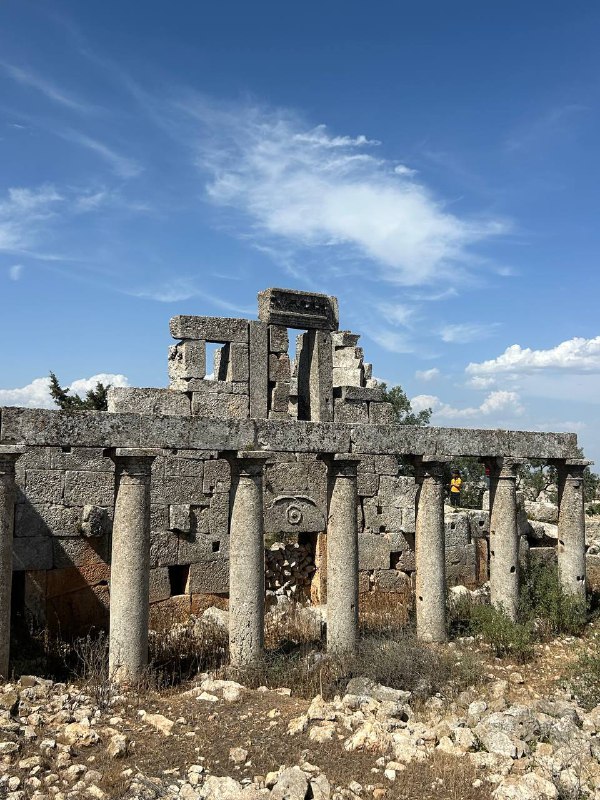
Kimar ruins in Afrin, Syria

Natural attractions in Afrin, Syria

Aside from the rolling hills and olive trees filling the horizon, Afrin is also home to a beautiful lake, known as Meydanki lake.

Meydanki lake, Syria

On Meydanki lake, we took a boat ride and danced to Kurdish music. It was so much fun!

If you’re interested in visiting Afrin, or other parts of Syria, make sure you check out our Syria tours or contact us for a private tour.

Best 5 things to do in RAQQA, Syria

A decade ago, visiting this historical Syrian city would have been completely implausible. It was controlled by ISIS, one of the most brutal terrorist groups in recent history. Now, however, the city is peaceful, and many of its residents have returned, rebuilding so much of the city and turning it back into a bustling metropolis. There are now a plethora of things to do in Raqqa.

Currently, Raqqa is under the control of the SDF (Syrian Democratic Forces). This means that it requires a permit to visit, and cannot be visited with only a regular Syrian visa / entry stamp. If you join one of our tours to Rojava, Raqqa will be included as part of the itinerary, including entry permits/documentation.

So, what are some of the best things to do in Raqqa? Here’s a list of them.

1) I Love Raqqa

things to do in Raqqa

The “I Love Raqqa” sign is located on Naim Roundabout in the center of the city. Right now, it’s a popular meeting point for locals. However, during the times of ISIS, this square was used as a place where they would undertake public punishments, such as cutting off the hands of thieves and even public executions. Just next to it is a great sweet shop (with delicccciiooous ice cream) called بيت الكيك. Just write that word into Google Maps and it will show up.

+

2) The Euphrates River

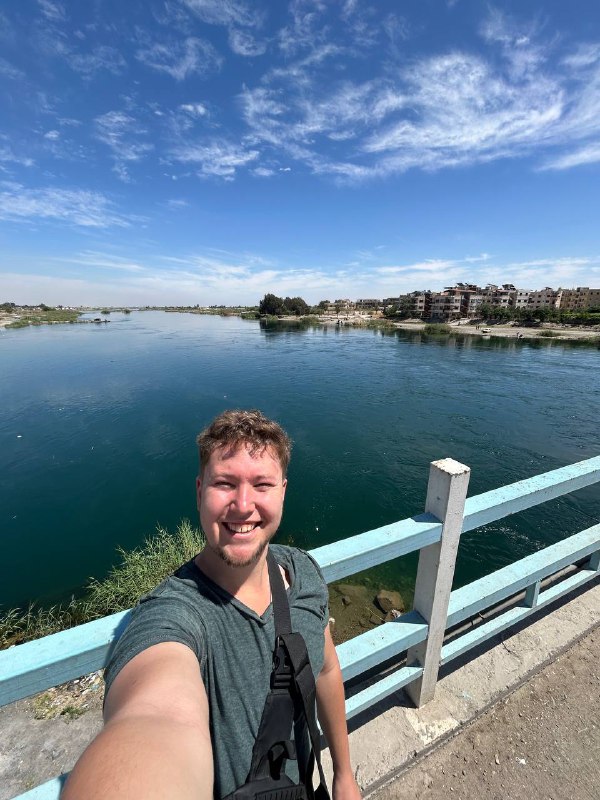
Euphrates river - things to do in Raqqa

One of the most famous rivers in the world, the land between the Euphrates and Tigris river makes up much of ancient Mesopotamia. It starts in Turkey, then flows into Syria, through the cities of Raqqa and Deir Ezzour, then crosses into Iraq, passing through Babylon and Najaf before flowing out into the Arabian/Persian Gulf. In Raqqa, it is a popular spot for families to go for a picnic and enjoy the blue water.

3) Baghdad Gate

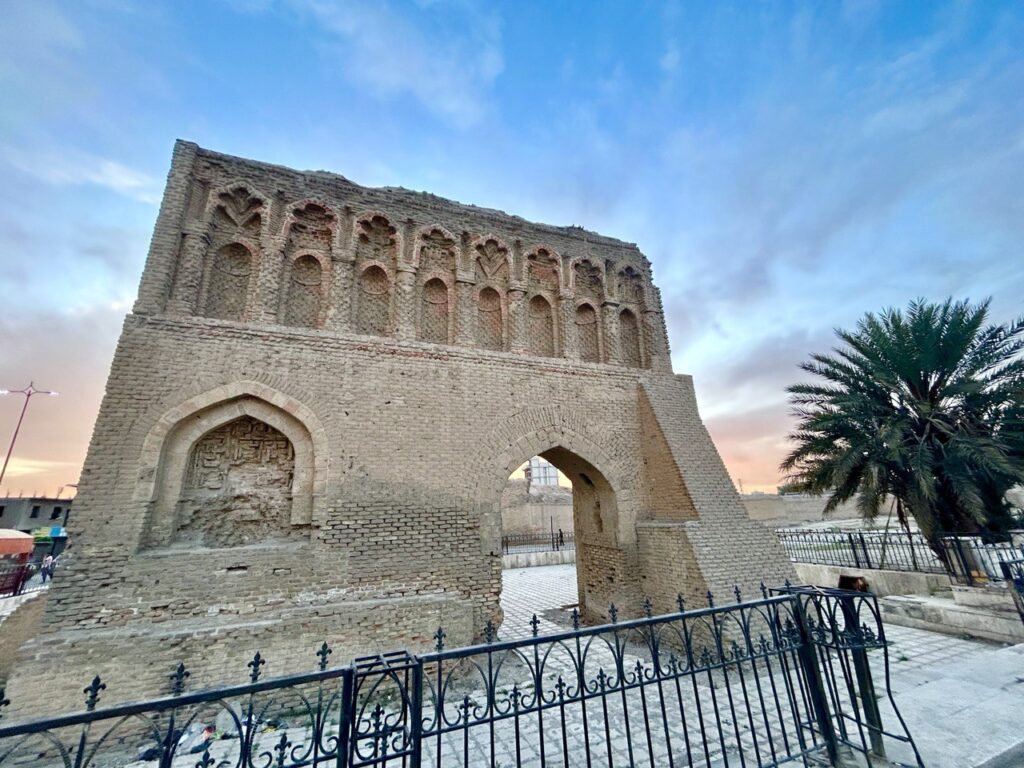
Baghdad gate - things to do in Raqqa

Raqqa’s ancient city gates dates back to the Abbasid period (8th Century AD). One of them remains, known as Baghdad gate, named after Baghdad, which was the capital city of the Abbasid empire. The nearby Qasr Al Banat ruins can also be visited, and date back to the same period.

4) Bustling Markets

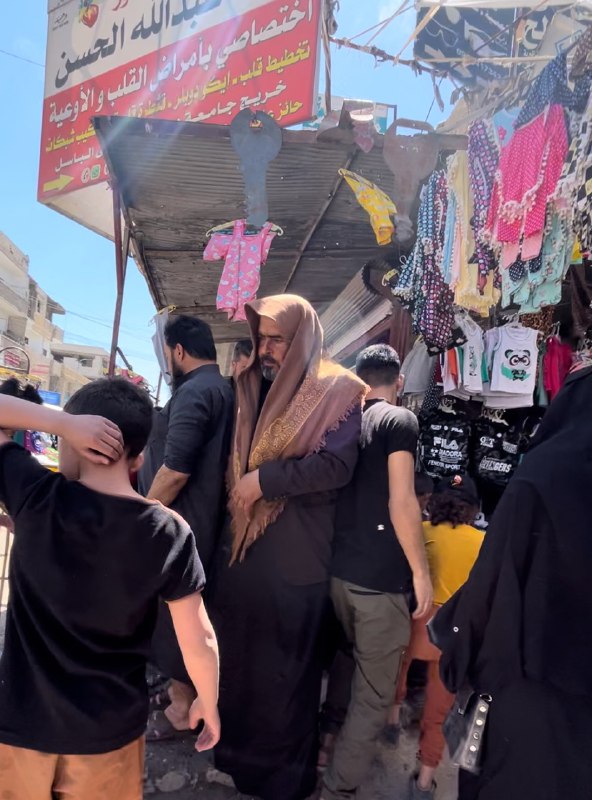
In my opinion, one of the highlights of Raqqa is just walking through the bustling streets and meeting its friendly people. In my opinion, they are some of the friendliest in all of Syria! You can start by the “I love Raqqa” sign and slowly walk through the markets on the way to the river. You are guaranteed to find some hustle and bustle and feel the vibe of the city.

5) Jaabar Castle

Jaabar Castle - things to do in Raqqa

This is one of the best things to do in Raqqa! This ancient castle is one of my favourite historical sites in all of Syria, located right next to what was previously known as Assad Lake (I don’t think they have come up with a new name for it, yet). If you come here an hour or two before sunset, you’ll have enough time to explore the castle, and also to watch the sunset over the lake. It’ll be one of the best sunsets you’ve ever seen, I can guarantee you that!

If you’re interested in visiting Raqqa, or Syria in general, you know where to look. We provide some of the best Syria tours on the market, so make sure you get in touch with us!

How to travel Syria independently?

While we still advise booking a tour to Syria for most travellers, since the fall of Assad, it has become easier to travel around Syria independently. Currently, if entering Syria by land borders, they are allowing foreigners to enter if they can provide the name of a Syrian sponsor inside the country, or if they have a permission document from the Syrian ministry of tourism. It is also currently free to enter by land borders, unlike the airport, which is charging visa fees (Click here to know how much).

Entering via Damascus airport is more complicated, as airlines require a permission document from the ministry of tourism to board (we can provide this, please contact us), and visa fees must also be paid.

Entering SDF areas in North Eastern Syria requires special permission, otherwise you may get turned back at the checkpoint. If you manage to enter without permission, you may be arrested, detained, and potentially imprisoned for illegal entry. We do not recommend attempting this. If you join us on a tour of the North East, this permission will be provided. Otherwise, contact me for more details (preferably by WhatsApp: +447905681636). In general, though, it can be difficult to travel to this part of Syria independently.

But once you are in Syria and have all of your required permissions, how can you travel around, and where can you stay? This article aims to help you.

Travel Syria independently by bus

Long Distance Bus Travel around Syria

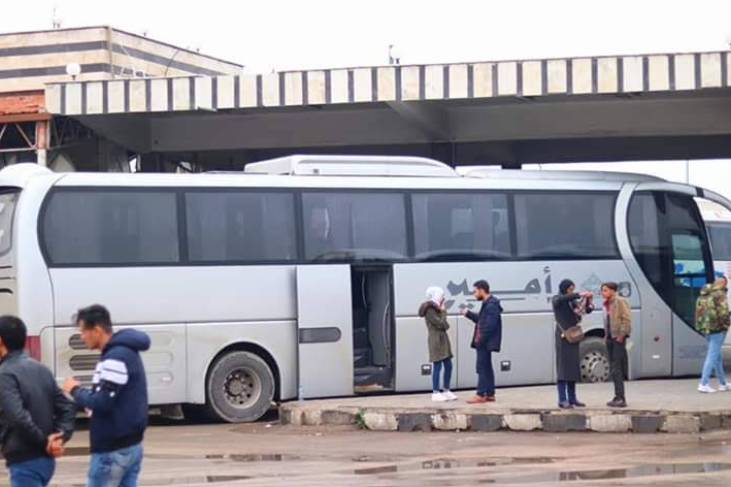
If you’re in Damascus and you would like to take a bus to long-distance destinations such as Homs, Aleppo, Deir Ezzour, Latakia, Idlib, Raqqa, Al Qamishli and more, then you can take a bus from Damascus Bus Station in Harasta at this location: https://maps.app.goo.gl/bUciY5YWxMTRbpvL9. In case the link doesn’t work in Syria, you can type in the following text into Google Maps: كراجات البولمان حرستا.

If you’re in Aleppo, you can find long distance buses from Ramouseh garage at this location: https://maps.app.goo.gl/EW2oCamDVd9pLmKeA. You can also find it by typing on Google Maps: كراج البولمان بحلب

If you’re in Homs then you can find long distance buses https://maps.app.goo.gl/Edycv7ecddY8jqjAA. You can also find it by typing on Google Maps: محطة إنطلاق البولمان الشمالي بحمص.

If you’re in Latakia then you can find long distance buses here: https://maps.app.goo.gl/wAGqtDaKBK6DUh8W8. You can also find it by typing on Google Maps: Pullman Bus Station.

If you’re in Raqqa then you can find long distance buses here: https://maps.app.goo.gl/TkFcYTpnAJRN6tGq5. You can also find it by typing on Google Maps: Pullman Garage Raqqa

Short Distance Bus Travel

If you plan on travelling to somewhere nearby – for instance, if you’re in Damascus and you’d like to go to a nearby town, then you can travel by minivans, known locally as “servis”. The locations in each city to find these minivans are different, and the often depart from different places depending on where you’d like to go.

If you’re in Damascus and you’d like to go to a town to the north of the city, such as Al Nabk (where Mar Musa Monastery in located) or even Homs, you can find minivans that depart from Abasseen Garage: https://maps.app.goo.gl/qvbzupKXhZWsnFxh8. You can also type كراجات العباسيين into Google Maps to find the location.

If you’re in Damascus and you’re like to go somewhere to the south, such as Daraa, you can find minivans that depart from here: https://maps.app.goo.gl/22zQ4nXWyBDqhGZaA. You can also type مركز انطلاق المنطقة الجنوبية into Google Maps to find the location.

If you’re in Aleppo and you’d like to head to Idlib or Darat Izza or any of the nearby towns to the West of the city, you can find minivans that depart from here: https://maps.app.goo.gl/1p7XnG3JoPEiAqtR6. You can also type الكراج الموحد into Google Maps to find the location.

If you’re in Aleppo and you’d like to head to Azaz or Manbij, or somewhere to the North or East of the city, you can find minivans that depart from دوار الصاخور (Sakhour Roundabout).

In general, though, you can ask locals in the city that you’re in to help direct you to the minivan location that takes you to your destination. They should be able to help you to travel around Syria independently.