Minorities of Syria: Ethnic and religious groups

One of the best things and worst things about Syria is it’s ethnic and religious diversity. For tourists, it’s truly unique – you feel as though you’re travelling between different countries and societies simply by crossing into the next neighbourhood. But it can also be a source of tension. As a foreigner that lives in Syria, speaks Arabic, and runs tours in this fascinating country, this is something that fascinates me, but can also make me uneasy. So what groups is the ethnic and religious fabric of Syria made up of, and what tensions are there between them?

While most statistics point out that around 70% of Syria’s population are Sunni Muslims, this refuses to acknowledge the diversity within that group, of which different ethnicities exist. For instance, Arabs, Kurds and Turkmen all belong to this category and yet have their own unique cultures and languages. In this blog, I’ll be explaining many of the main ethnic and religious groups of Syria that make this country so unique for visitors, and also attempt to give you a little background information about potential tensions between them and political allegiences.

Christians of Syria

In general, the Christians of Syria don’t fall into a specific political block. Instead, they tend to focus inward, doing their best to keep their communities safe, and if possible, thrive. Some Christians feel as though their community is more at threat now than before the fall of Assad, with a deadly church bombing occuring in Damascus in June 2025, and other events occuring.

Christians in Syria identify with various different ethnic groups in Syria. For instance, Arabs, Armenians and Assyrians. Their native languages can be Armenian, Arabic, Syriac or Western Aramaic. Many people estimate that Christians make up around 10% of Syria’s population, but in some parts of the country, I believe it to be higher. There are large Christian communities in the cities of Damascus, Homs, Latakia, Aleppo, Qamishli, Al Malikiyah and more. Furthermore, there are many Christian majority towns in other parts of the country, such as rural Hama (eg. Maharda).

Christians in Syria are split into 5 different groups. These groups include Oriental Orthodox (Armenian and Syriac Orthodox), Eastern Orthodox (Greek and Russian), Roman Catholics, Eastern Catholics and Protestants.

One of the best Christian towns to visit in Syria is Maaloula, a place near Damascus where local residents still speak Western Aramaic, the language of Jesus. The towns hosts the annual festival of the “Day of the Cross”. This is one of my favourite experiences in Syria, and is highly recommended.

One may also celebrate Akitu, the Assyrian New Year, with the Assyrian community in Qamishli in March every year, a fantastic cultural festival. Futhermore, Easter parades take place is all major cities, which is something unique to see!

If you’re in Aleppo, make sure to visit Sulaymaniyah area, where you’ll find tons of Armenian shops and you’ll hear the Armenian language spoken everywhere. The Armenian 40 Martyr’s Cathedral is also an architectural wonder, and totally worth a visit.
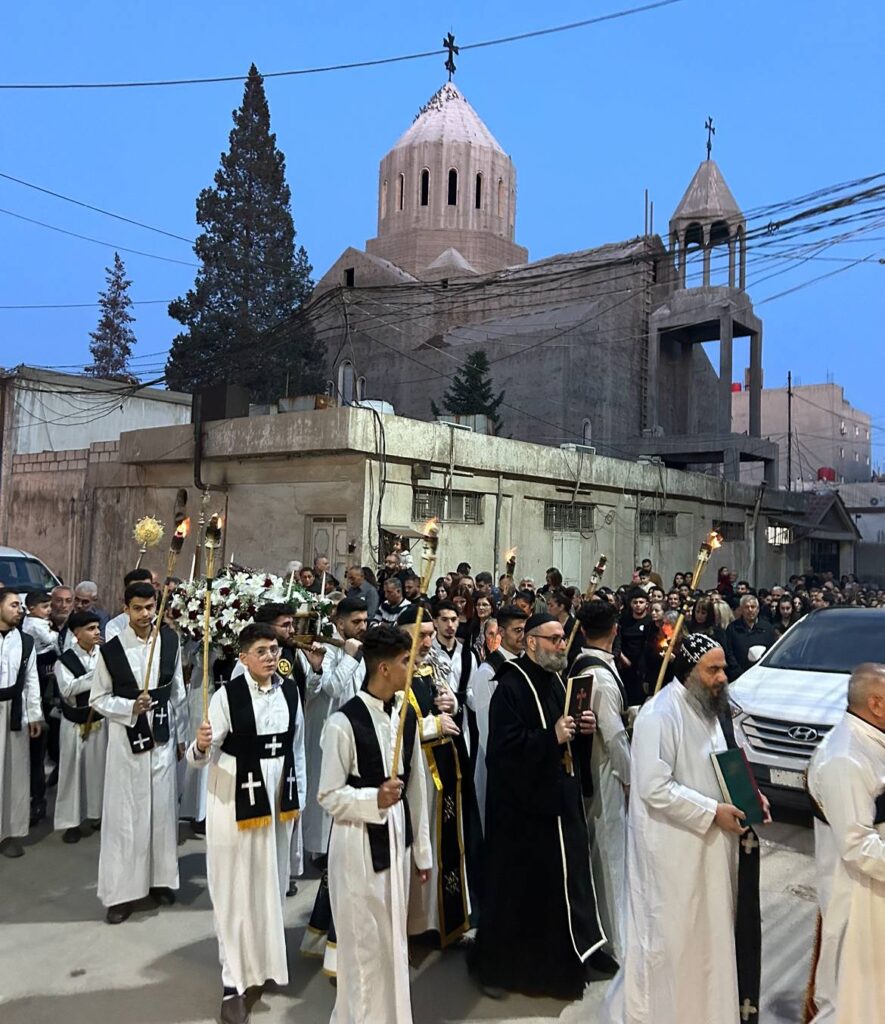
Christians in Qamishli Good Friday
Good Friday in Qamishli, Syria.

The Kurds

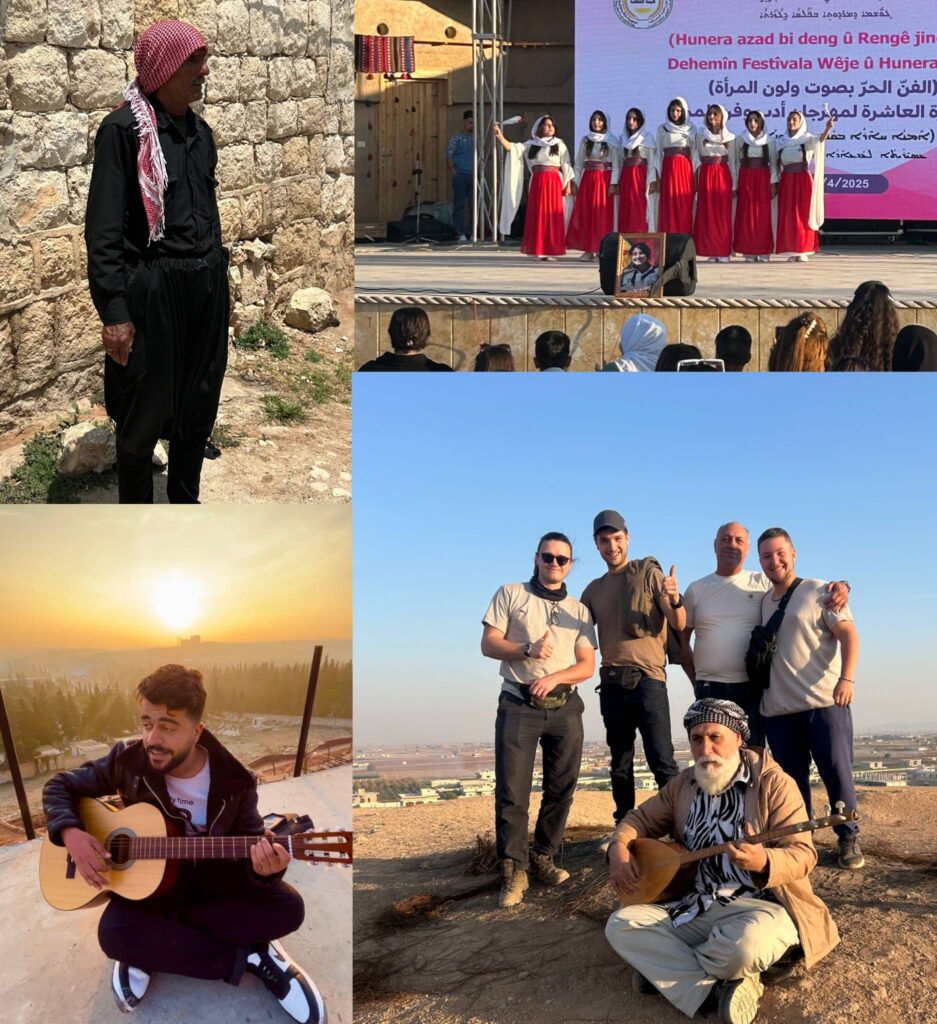
Syria is home to more than 2 million Kurds, who speak the Kurmanji dialect of Kurdish and have their own unique culture. Kurds are mostly present in the North of Syria, but also call the neighbourhood of “Rukn Al Deen” home in Syria’s capital, Damascus. In Aleppo governate, you’ll find a Kurdish majority in the beautiful mountainous area of Afrin, Kobane city (Ain Al Arab), as well as the neighbourhoods of Ashrafieh and Sheikh Maqsood in Aleppo city. They are also present in Syria’s North East, especially in the city of Qamishli and Derek (Al Malikiyah), as well as the rural villages around this area.

If you’d like to experience Kurdish culture, the best time of year to visit their regions in March, when they have the Nowruz festival. This unique festival is filled with fire, Kurdish dancing, music and celebrations!

Politically, there are tensions between some Kurdish groups and the majority Sunni Arab population. This is partly due to North-Eastern Syria being controlled by the Kurdish-led SDF, with some members of it calling for an independent Kurdistan, meaning cessation from Syria. Furthermore, the SDF has previously controlled large parts of Arab-majority Syria such as Raqqa, with many Syrian Arabs accusing them of forced conscription and adhering to their secular ideology. Many secular Kurds, on the other hand, are suspicious of the new government and those that support it, believing many of its members to have an Islamist terrorist past. Other ethnic and religious groups in Syria tend to view Kurds fairly positively due to their acceptance of people from other backgrounds, even if they don’t agree with seperatist tendencies.
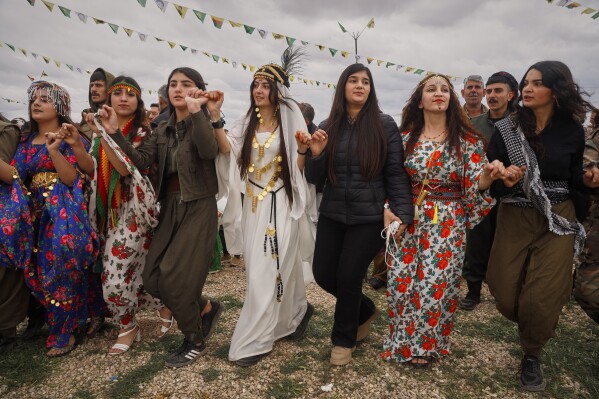
Kurdish women Qamishli
Nowruz in Qamishli, Syria

Turkmen of Syria

Like the Kurds, most Turkmen are Sunni Muslim. They are a major ethnic group in Syria, and unlike the Kurds, tend to be quite conservative. The Turkmen of Syria speak a dialect of Turkish, and make up about 5% of Syria’s population. It’s common to find them all over Western Syria, although the largest populations are in rural Aleppo province and Latakia province. Some interesting, and naturally beautiful areas where you’ll hear Turkish being spoken include Slayab Al Turkman and Um Al Tayoor in Latakia. Both town have gorgeous coastal scenery and friendly locals.

The Turkmen of Syria, despite their different language, are probably considered to be the closest to the Sunni Arab majority. They tend to be conservative, and there aren’t any outstanding issues between them. It is known that many Turkmen were fighting alongside rebels against the Assad regime, and, as a result, the Assad regime oppressed their towns and villages.
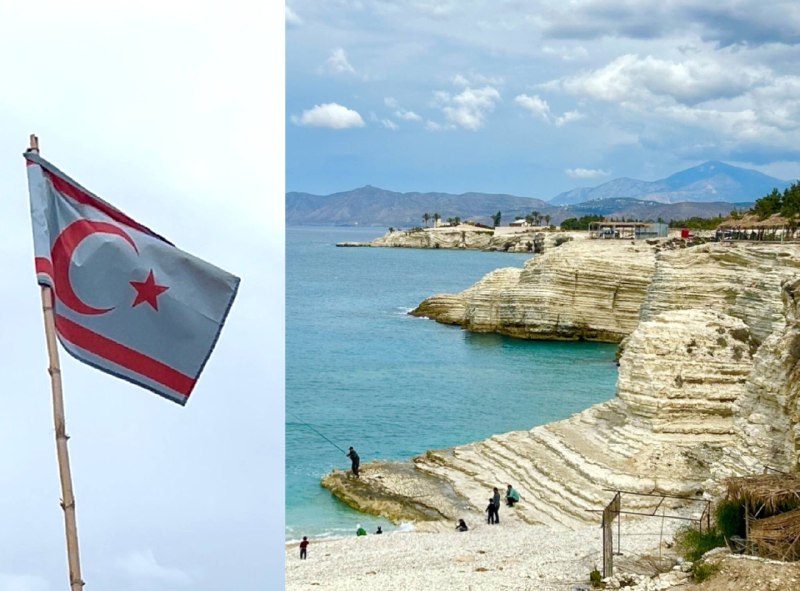
Turkem villages in Latakia province

The Druze of Syria

While some people consider it a sect of Islam, the Druze faith is considerably different and most Syrian Druze do not consider themselves Muslim. Internationally, Syria is home to the largest amount of Druze citizens, with the majority of them being found in the southern province of Suweida. Druze populations also exist in Damascus, the Mount Hermon area, and Jebel Sumaq region in Idlib. An interesting statistic is that more than half a million Druze of Syrian origin live in Venezuela! Visiting the Druze majority province of Suweida is very interesting, and it’s one of my favourite regions to visit in Syria. Unfortunately, as of January 2026, it is not safe to go there, primarily due to the risk of clashes between the Damascus government and the local “National Guard” that controls the region. A good alternative to learn about the Druze of Syria would be by visiting the Jaramana area of Damascus.

Before the fall of Assad, I would argue that tensions between the Druze and the rest of the Syrian population were fairly non-existent. In fact, solidarity protests between Suweida (Druze majority) and Idlib (Sunni Arab majority) took place, with both areas being known for anti-Assad protests.

However, in the summer of 2025, things unfortunately took a different turn. Tensions between local Druze fighters in Suweida and bedouins spiralled out of control, with Damascus sending in troops to “control the situation” and bring Suweida under government control. Unfortunately, many of the troops affiliated with Damascus are accused of killing and kidnapping Druze civilians in the unrest, while Druze fighters were accused of killing and kidnapping bedouin civilians. The fighting stopped when Israel bombed Damascus in support of the Druze and threatening intervention on their behalf. This led to a government withdrawal, and Israeli flags were raised in demonstrations in Suweida. These events led many Sunni Arabs to view the Druze as traitors and Israeli agents, and Druze to view Sunni Arabs as sectarian people supporting massacres against Druze in Suweida.
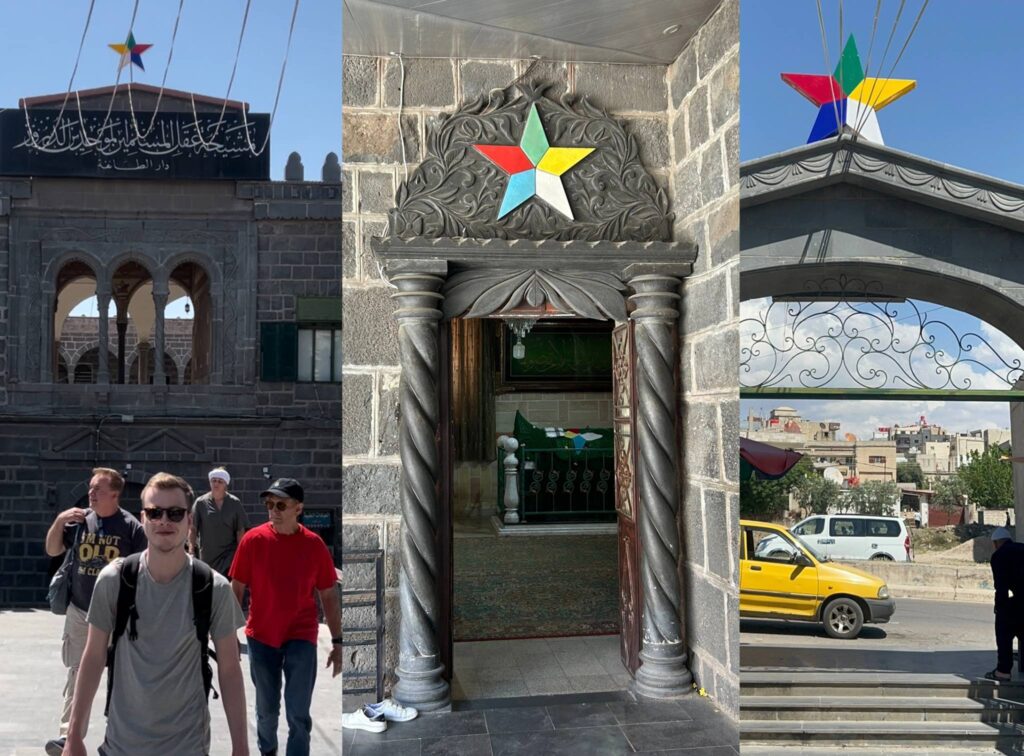
Druze religious site in Suweida

The Alawites

While commonly associated with Shia Islam, the Alawites are noticeably different to most Shias, both in beliefs and behaviour. They make up the majority of the population in the Syrian coastal provinces of Latakia and Tartous. This secretive sect has core beliefs that differ from mainstream Islam, such as the (supposed) idea that Imam Ali is a manifestion of God, and have their own concept of the “Divine Trinity”, which I understand to be similar to the Holy Trinity for Christians. Furthermore, the sect generally doesn’t prohibit consuming alcohol, unlike other Muslims. For centuries, the beliefs of Alawites have been very secretive, and many rumours about their beliefs exits. This is further complicated by different sects within the Alawites, such as the Murshidis.

The former Syrian dictator, Bashar Al Assad, was an Alawite. However, most Alawites today do not like to associate themselves with him – it is a sensitive topic. Many generals and people of power during the Assad regime were also Alawites. Hence, some Sunni Arabs, whose neighbourhoods were bombed and children were abducted by the Assad regime, blame Alawites.

In March 2025, following an attack on new government forces by Assad regime remnants, Damascus sent many troops to the Syrian coast. Unfortunately, in a similar situation to Suweida, tons of innocent civilians of the Alawite faith were murdered, not only Assad remnants. Many of those who took part in the massacres recorded it.

However, in December 2025, when Alawite citizens came out and decided to protest, there were very few abuses recorded. In fact, it seems as though most of the security forces were protecting them. While high tensions remain, I believe that they are cooling down.

Other groups

Other ethnic and religious groups in Syria exist, albeit in small numbers. For instance, there are the Yazidis, a unique religious group who was severely persecuted by ISIS. There’s also the Circassians, who are Sunni Muslim but have their unique culture and are great at dancing! Syrian Jews are very verrryy few in numbers, but their cultural heritage exists, with synagogues accross the country (especially Damascus, Aleppo and Qamishli) and beautiful old houses. Ismaili Shias also exist, primarily in Salamiyah area, and Twelver Shias can be found in rural Aleppo (Nubl and Zahra) and Damascus. There are also Alevis (not Alawites) who are a distinct religious sect. In Syria some of them are Turkmen with others are Kurdish. These are just a few of the sects in Syria that I wasn’t able to cover in this article.

Prospects for the future: stability or more tension?

It’s not easy to keep together such a diverse populace like Syria. But the country has only just come out of a brutal war, and some areas are still experiencing fighting. You can’t expect these tenstions to evaporate overnight, especially when such stark differences between the ethnic and religious groups of Syria exists.

With the right messaging and laws from the government (recent decree about Kurdish rights for instance), a more diverse armed forces (might happen if there is SDF integration) and the right education, hopefully such tensions will be a thing of the past.

One major issue is that when someone does something bad, especially if done in the name of religion, the whole sect gets blamed by many. The society must move on from this sectarian way of thinking.
10 Best Things to do in Syria

Home to the world’s oldest continuously habited cities, Syria is one of the most historically rich and diverse countries you can visit. Yes, it’s chaotic, regarding both the day to day life and political affairs, but it’s currently safe to visit, especially if done right. As a foreigner that lives in Syria and that works in tourism here, these are some of the best things to do in Syria. Of course, we know the country like the back of our hands, so if you’d like to experience it with the experts, book a tour with us!

10) Take part in a Sufi Hadra

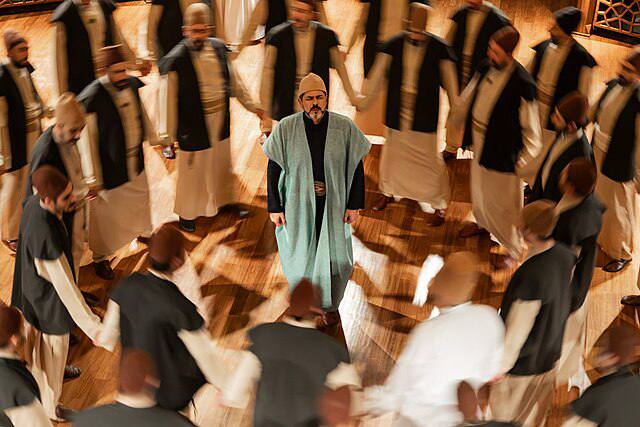
Sufis are known to many as mystic Muslims, and they were quite romanticised by orientalists. However, experiencing one of their “Hadras” in Syria is truly unique. A Hadra is a gathering of people in a place known as a Zawiya (usually not in a mosque) where people perform “zikr”, literally translated to “mentioning God”. This is where they repeat Islamic phrases again and again in chants, sometimes moving in circles and almost becoming hypnotised by the energy in the room. In Syria, Hadras usually take place on a Friday, after Friday prayers. My favourite one to join is in Aleppo, where you really feel like you’ve just gone back in time, experiencing an energy that you’ve never felt before. The Zawiya is called “Al Zawiya Al Hilaliyya”. You can find it on Google Maps.

A Sufi Hadra
An example of what a Sufi Hadra would be like.

9) Have a traditional hamam experience in Damascus

Although mostly associated internationally with Türkiye, the hamam culture in Syria is, in my opinion, even more alive, and more authentic. Many of the hamams in Damascus date back more than 1000 years, with them being in use as a hamam since those times. And they are sooooo beautiful. The traditional hamam experience involves body washing, skin exfoliation, a massage, a steam room and more. And, when you’re done, you can have an optional tea and shisha. All of this costs around 5 to 10 USD in Syria, whereas in Türkiye you’ll be paying much more! Damascus has the best hamams in Syria. My favourite is hamam Al Malik Al Zahir, a local experience in one of the oldest hamams in the world!

A hamam in Hama Syria
A hamam in Hama, Syria

8) Meet the Kurds.

There are million of Kurds in Syria, who have their own unique culture and language. The main Kurdish population centres are Afrin, Kobane and the far North East around Qamishli. If I had to pick one to visit, I’d choose Afrin, the beautiful land of the olives. Go to the villages and meet the locals, they will be more than happy to invite you into their homes. If you’re in Syria in March, make sure you don’t miss the Kurdish Nowruz festival, one of the most unique experiences you’ll find in the country and an explosion of Kurdish culture. The biggest festivities tend to be in Qamishli.

Kurds of Syria
Kurds in Aleppo, Afrin, Qamishli and Telaran

7) Spend the night in Mar Musa

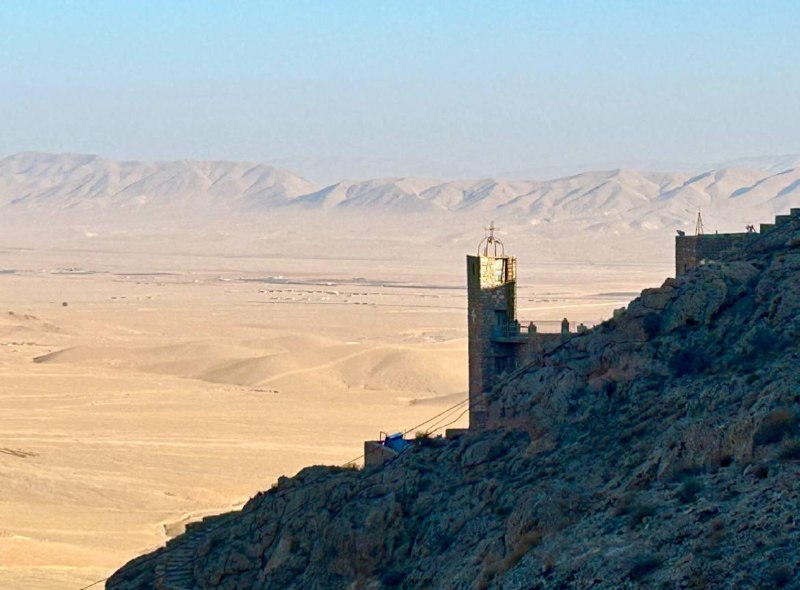
Perched on top of a mountain in rural Damascus, visiting Mar Musa monastery is one of the most rewarding experiences you can have in the country. It’s a bit of an adventure to get to – a drive into the desert and a hike up a mountain – but its sooo worth it. Aside from the fact that it’s just so old and beautiful, the monastic community here is truly unique. Following in the footsteps of Father Paulo, they seek to build relationships and harmony with their Muslim neighbours, and all other faiths and communities in Syria and elsewhere. They have a Muslim prayer mat and Islamic calligraphy inside the church, and Muslims can pray beside Christians. It’s truly unique. They host prayers and meditation sessions, and provide accommodation to guests for free, but I recommend that you give back.

Mar Musa Monastery in Syria

6) Experience Idlib

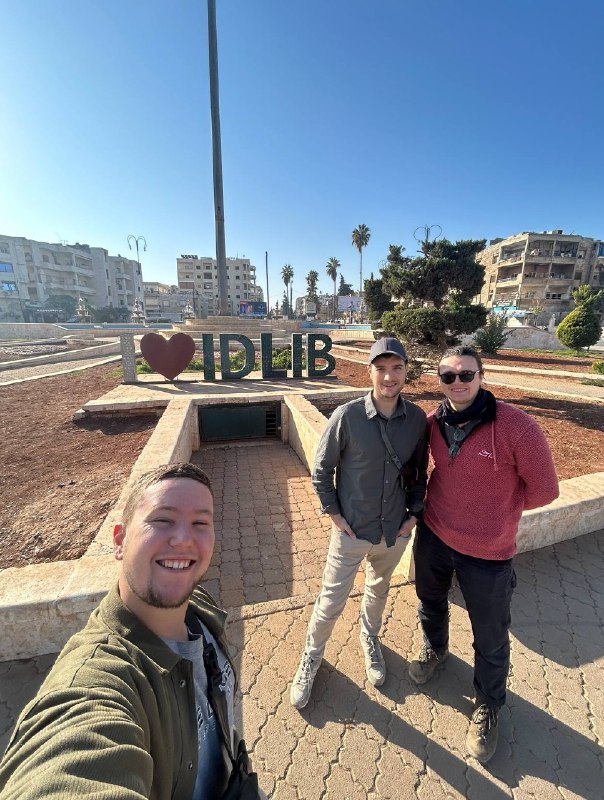
While I wouldn’t recommend this for everyone, it’s certainly an interesting side-trip in Syria, to a place that almost feels like another country. Throughout years of the war, Idlib was isolated from the rest of Syria, controlled by Islamist rebel groups that eventually ended up toppling the Assad regime. Many internally displaced people lived in Idlib during the war, a safe haven for people wanted by the Assad regime. But it also attracted people to fight jihad against the regime, including many foreigners from central Asia, western China, Chechnya and even the West. Hence, the city has got a militant Islamic vibe about it, with many military tactical shops, bearded man from around the world and women wearing black niqabs. It’s quite the stark contrast to most other major Syrian cities, which have got bars, discos, and a religious mix of people from different communities. While this might make you sound uneasy, it’s perfectly safe if you follow the local rules and dress conservatively, and it’s better to go with a guide. I don’t recommend visiting Idlib if you are Chinese due to the presence of Uyghur militants, who may have a grudge against Chinese people.

tourism in Idlib, Syria

5) Visit Syria’s historical ruins

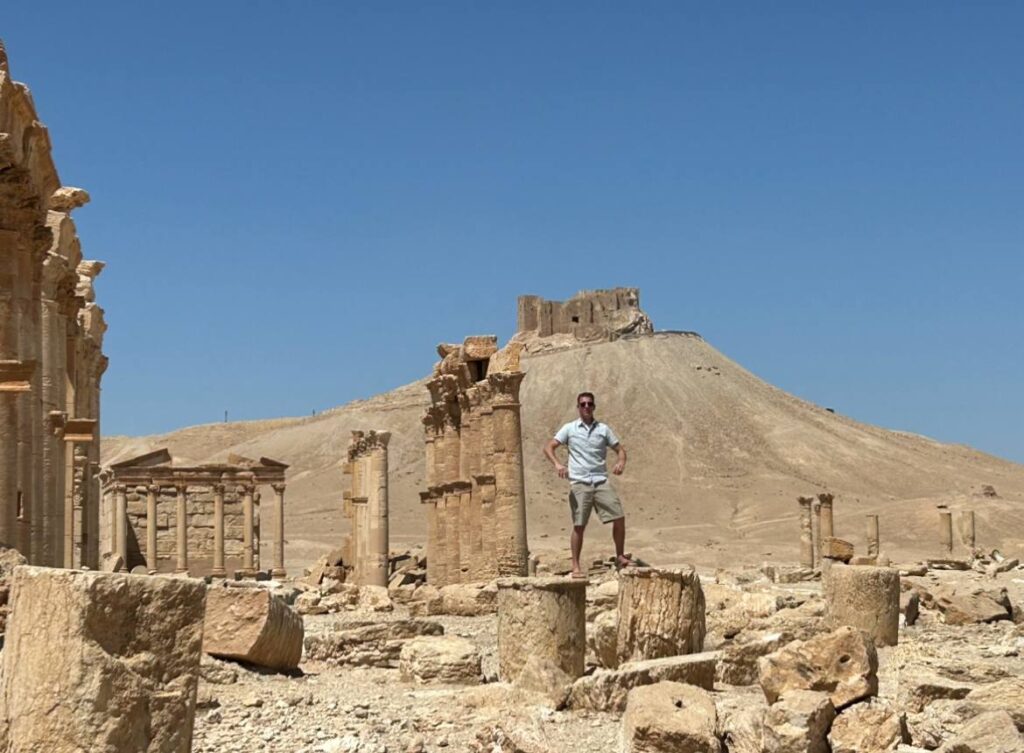
This is probably what draws most of our tourists to Syria – an interest in history, of which Syria has so much of! Syria has got thousands of years of history, and yet some of the most dramatic events happened within the last two decades. The most impressive sites include Palmyra, Bosra Al Sham citadel, Krak Des Chevaliers castle, the “Dead Cities” of Idlib, Aleppo citadel, and more. If I had to choose only 2 historical sites to visit in Syria, I’d go for Palmyra and Krak Des Chevaliers, which are truly breath-taking. Unfortunately, just like it’s toll of civilian areas, the war has also taken its toll on the historical sites, especially Palmyra.

Palmyra, Syria
The ruins of Palmyra in Syria

4) Taste the famous cuisine of Aleppo

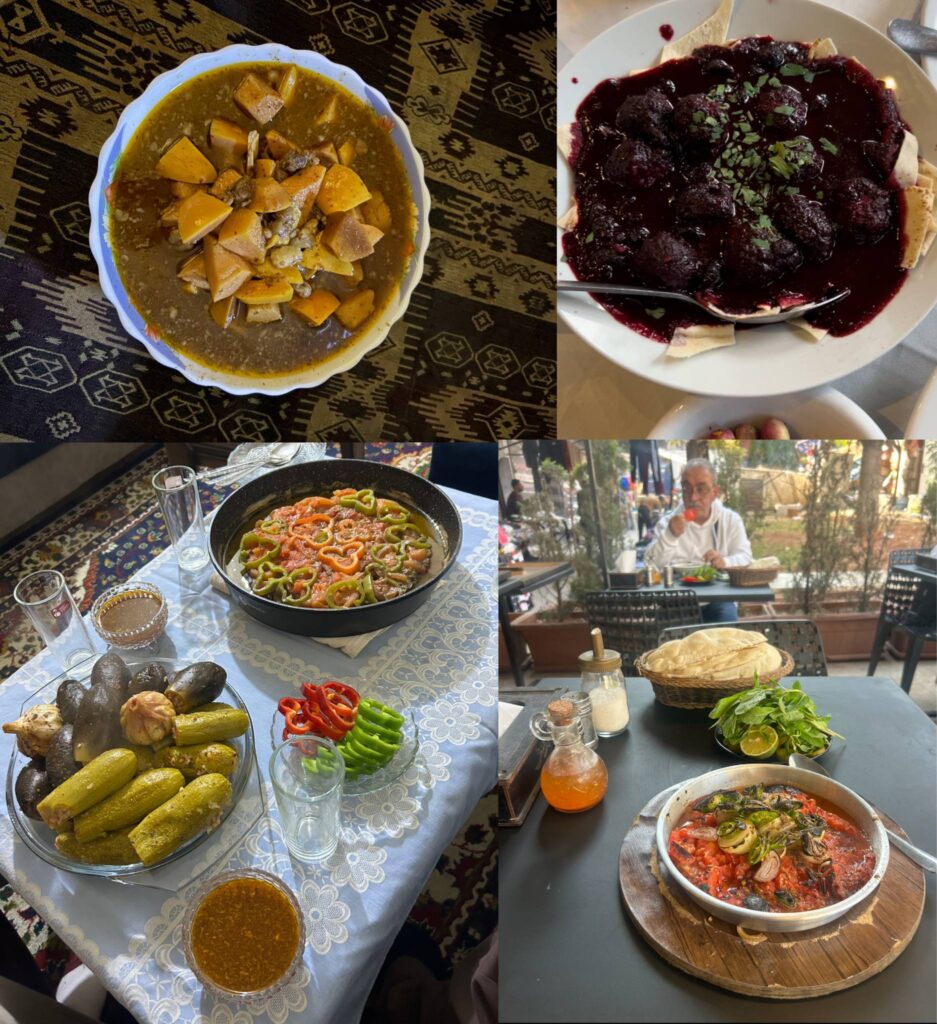
Famously known as the culinary capital of Syria, Aleppo has got some meals that you must try! While food is amazing in all of Syria, in this city it is just next level. The dishes tend to mix sour or sweet flavours with salty and savoury. An example of this is the famous cherry kebab, that the city is known for. What I like even more, however, is a dish known as Kibbeh Safarjalia, which mixes an apple like fruit known as quince in English with something similar to meatballs. It’s just delicious! I recommend going to Cortoba restaurant for cherry kebab and “Dolmaji Sweets” to get Kibbeh Safarjalia.

Food in Aleppo
Aleppo’s famous food!

3) Stay in a boutique old Damascus hotel

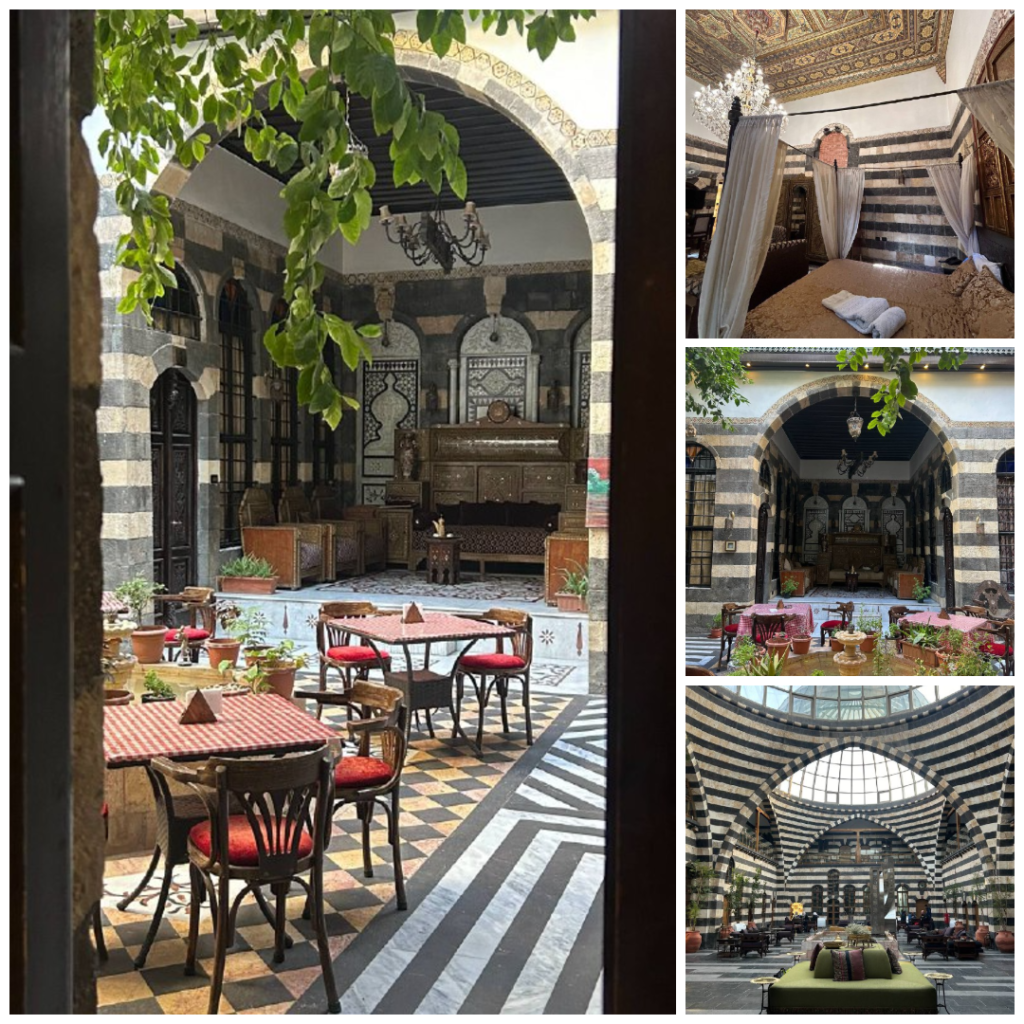
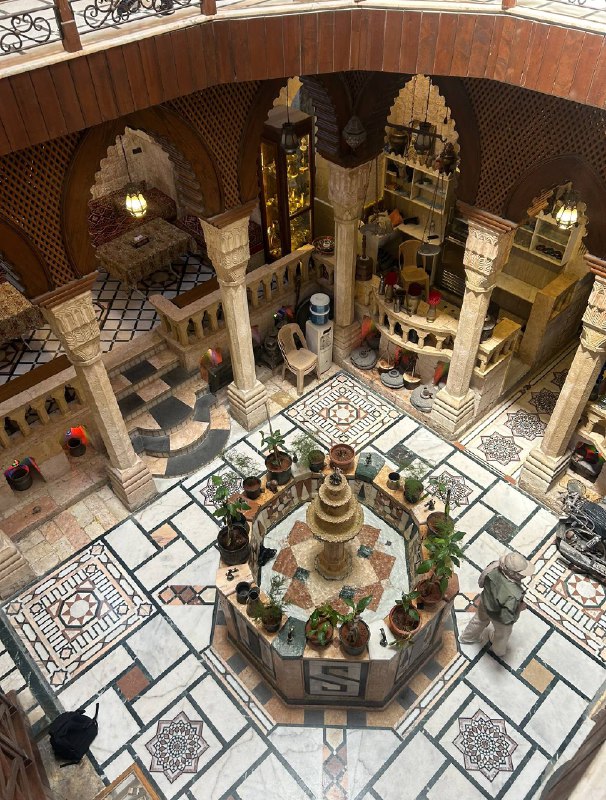
The old Damascene houses are truly world class. While Moroccan riads are more famous, I like the Syrian version more. An oasis of peace in a city of chaos. All Damascene houses have got a fountain in the middle of their courtyard, and many of them have got a tortoise wandering around – all of these factors give the house a sense of tranquillity, which can be further enjoyed with a shisha pipe in your hand. Some of my favourite Damascene houses to visit are Qasr Al Naasan, Beit Al Aqad (now the Danish institute) and Maktab Anbar. Many have been converted into hotels, the best of which being Beit Al Wali, Beit Al Mamlouka, Aram Hotel and the Talisman Hotel.

Aram Hotel and Khan Suleiman Pasha Hotel

2) Experience a major Christian festival or event

Syria’s Christian community is large and important, and they take their religious events seriously! If you’re in Syria in September, make sure you attend the “Day of the cross” festival in Maaloula, a village where locals still speak Western Aramaic, the language of Jesus! People hike up to the top of the mountains here and set them on fire, in commemoration of when mountain tops were set alight to announce that Jesus’ crucifixion cross had been found in Jerusalem. People come from all over Syria to this village to attend the event, and it’s truly unique! Fire everywhere, fireworks, dancing, music and more. Good Friday events in Syria are also very big and interesting to attend, especially in Damascus or Qamishli. If you’d like something more obscure, you should take part in Akitu celebrations of the Assyrian community in Syria’s North East in March.

Good Friday in Qamishli, Syria

1) Visit the Ummayad mosque during Maghreb prayers

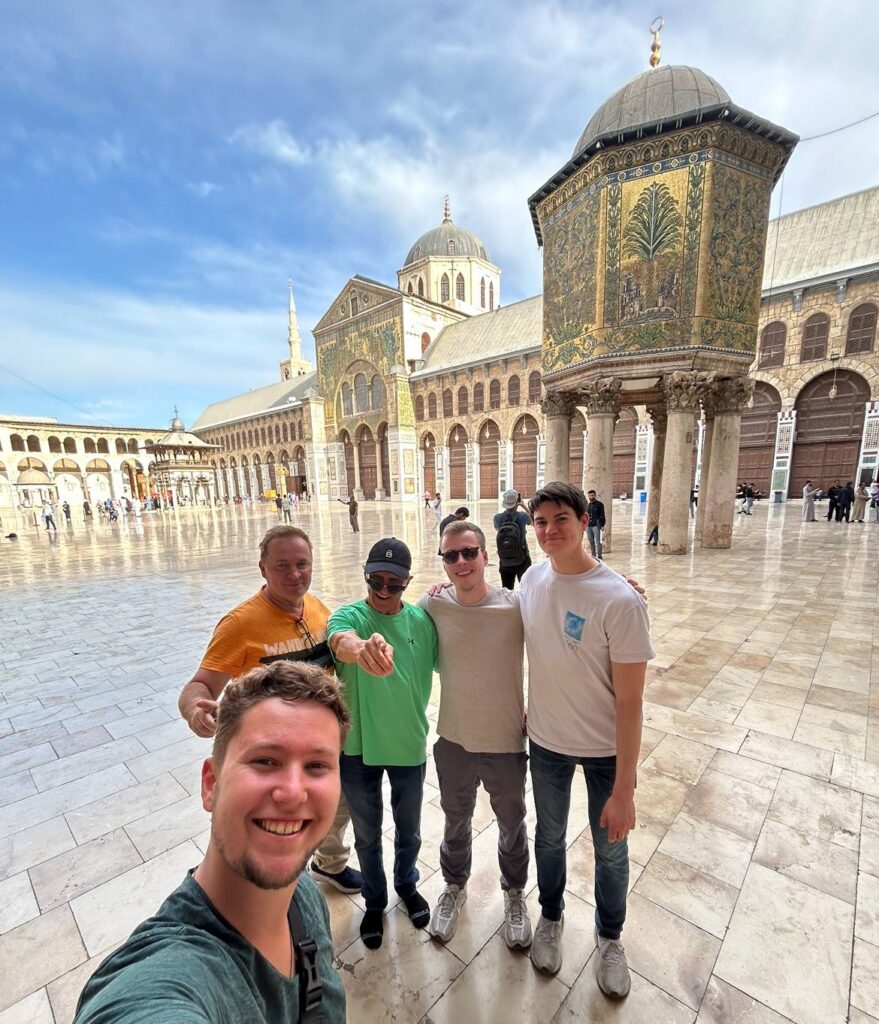
No matter what time of day you visit, there is a reason why the Ummayad mosque in Damascus is so famous. It is an architectural wonder, and you’re sure to be gobsmacked. But if you have to choose one time of day to visit, I recommend going just before Maghreb prayers (at sunset time every day). That is when the lighting is best, the birds are all flying in the air, and it truly feels spiritual. The muezzins (people who do the call to prayer) have a special way of doing it here, and you won’t hear it outside of Damascus. Whether you are Muslim or not, this place is sure to give you goosebumps down your spine.

The Ummayad Mosque in Damascus, Syria
The Ummayad Mosque!!!

How to stay safe in Syria

While some bloggers might make it seem that visiting Syria is as safe as going on a weekend trip to Geneva, that’s simply not the case. As a foreigner living in Aleppo, who speaks Arabic and is married to a Syrian, I can tell you that your safety in this country is very contextual. When you book a tour with us to Syria, you don’t need to think about this much – your safety is our responsibility, and we know what we’re doing. However, we realise that booking a tour is not for some. While I don’t entirely discourage independent travel in Syria, I do think that one must do so with caution. In certain parts of the country, the situation remains unstable, and one must always keep in mind political and cultural sensitivities. In this blog, I’ll do my best to explain what you can do to make sure you’re safe when you travel solo in Syria. Listen to this advice, don’t be naïve.

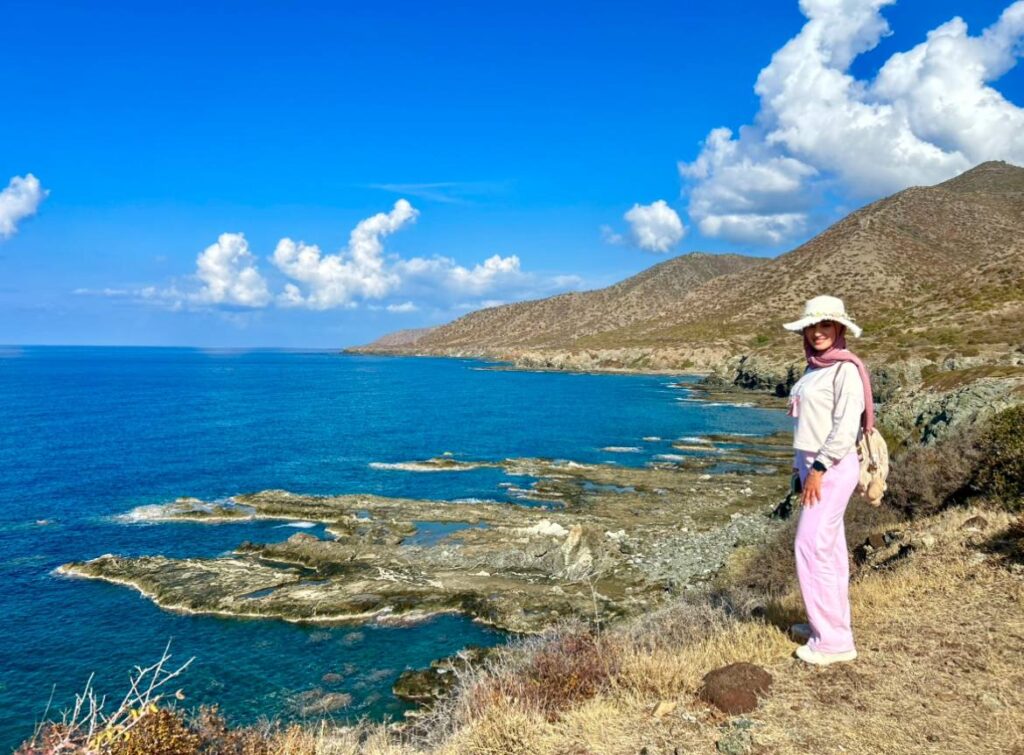
hike in Latakia, Syria
My wife Lubana hiking in Latakia, Syria

Violence and political events

As you probably already know, Syria is prone to a lot of major political events, sometimes happening at lightning speed. Nobody in Syria expected Assad to fall in 2024, much less thought it would happen in 11 days…

Following the news and educating yourself about political events and sensitivities is important, so that you don’t go to the wrong place at the wrong time. A good way to follow updates is this website: syria.liveuamap.com. While not always 100% accurate, this website shows you updates regarding violent events in the country, as well as significant political statements and actions. Study the map, study the events. Make sure you have a good idea about what is happening in the country, where, and to who. If in doubt about visiting a certain place, the best thing to do is to ask trusted locals who are from that area. Don’t ask someone from Damascus about the situation in Afrin – they probably have no idea at best, and they may even have false positive/negative stereotypes due to their sect, social class or political opinions. That leads me on to the next point.

Everyone in Syria has there political biases – don’t get involved.

Okay, it’s not everyone. However, it unfortunately remains the case that opinions of Syrian people can be very divided. A Kurd from Qamishli might tell you Damascus is dangerous because a “terrorist government is in charge” while a Sunni Muslim from Damascus might tell you that Qamishli is dangerous because the “PKK is in charge there”. Just because the person they don’t like controls that area, doesn’t mean that it’s dangerous to go there as a foreigner. What can upset people, however, is if you pick a side, or if you appear to pick a side. If you happen to bump into the Minister of Interior and take a selfie with him, this might not go down well in areas that oppose the government. If you understand the country well, it might be possible for you to navigate this complex climate of opinions in a safe way. But if you don’t (and as a foreign visitor then I assume you don’t) then it’s better to stay out of anything that might be deemed politically sensitive. And keep in mind that anything in Syria can be deemed sensitive – probably just be writing this article I’ve pissed some people off (because I didn’t explicitly say that the neighbourhood/province that they love/hate is safe/dangerous). You’re always stepping on eggshells.

Understand what the dangers are

Going to each part of Syria poses a different set of risks, depending on who you are and how you travel there. These are things that we, as a travel company, are aware of, but a foreign visitor probably won’t be. Try to educate yourself about the local realities and dangers before you go somewhere in Syria, to ensure that you’re safe. I’ll give you a list of examples, but keep in mind this list is not exhaustive.


Afrin – mostly safe these days but many of the areas around historical sites (such as Kharab Shams) haven’t been cleared of landmines. There is tension between the local Kurdish population and units of the SNA (Syrian National Army) who is accused of ethnic cleansing the region in recent years, but most people say it’s getting better.


Damascus – the capital city is in general very safe. But still, I wouldn’t recommend attending large gatherings, especially those of religious minorities, unless you’re sure that there will be a good security presence. Or, keep your attendance short.


Suweida – this Druze-majority province isn’t controlled by the government but rather Hikmat Al Hijri’s national guard. While there is little violence there now, there has been in the past, and if clashes were to happen with government forces again, there isn’t anywhere to evacuate. Not recommended to go there now for this reason.


Aleppo – most areas of touristic interest are very safe. But, if you’d like to venture into some of the poorer areas, especially as a female, cover up. There are many cases of harassment.


Qamishli – controlled by the SDF, and clashes are going on their now. If things were to calm down, it’s be in a similar situation to Suweida EXCEPT that there is a route out – a border crossing with Iraqi Kurdistan. Hence, it’s not as risky.


Syrian Coastal Cities (Latakia, Tartous etc.) – you should take particular care in Alawite majority areas, where there is tension. Things are quite peaceful now but they weren’t last year. If protests kick off, leave immediately.


Idlib – it’s very conservative so cover all your skin and maybe even your hair if you’re a female. It’s probably best not to go there if you are Chinese, as there are Uyghur militants there, who hold a particular grudge against Chinese people.


Deir Ezzour – probably not the best time to go, as there was recently a prison break in Shaddadi area, where many prisoners were ex-ISIS. It’s likely that some of them have taken refuge in rural areas of Deir Ezzour. Otherwise, it’s a very tribal, conservative province.

Petty crime

In general, Syria is safe when it comes to petty crime. You’re more likely to get robbed in London then you are in most areas of Syria. However, that doesn’t mean that it doesn’t happen. Don’t walk in dark alleyways at night in neighbourhoods that you’re not familiar with. Some areas are perfectly safe in the day, but not at night. But in general, if you have experience travelling, then this isn’t really something you need to worry about. The above points are more important.

Kurds of Syria – end of the SDF?

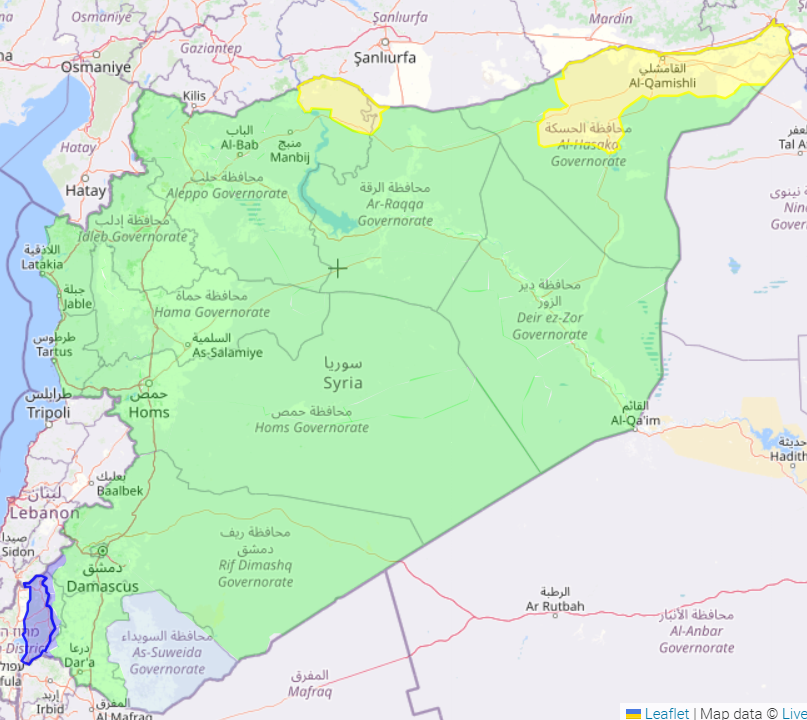
As I write this, it’s the 24th of January 2026. This matters, as the situation is changing every day. Just two weeks ago, the Kurdish-dominated Syrian Democratic Forces (SDF) were in control of large parts of Syria. Now, they’ve lost some of their main strongholds, namely Sheikh Maqsoud and Raqqa, and the city of Kobane is surrounded on all sides. The sheer speed that they lost territory to Damascus came as a shock to many, myself included. It seems as though the SDF’s Arab tribal components have mostly turned on them, and not much remains of the SDF except for the Kurdish forces (YPG and YPJ for example). Check the map below for an idea of how much of Syria Damascus now controls. Are the Kurds of Syria now safe, or are they threatened? That’s not quite clear.

Syria control map, SDF controlled areas in yellow

I’m a foreigner living in Aleppo, and I work in tourism in Syria. My Syrian wife and I have been taking groups to Syria’s North East, as well as all other corners of the country. I write this blog-post primarily as an update on traveling to Syria, but also as someone who’s on the ground and has got friends all accross the country. I’ve also been interested in the Kurds of Syria, and have travelled to many of their regions.

What do the recent events mean for locals? Well, most Arabs in Raqqa and Deir Ezzour appear to be happy about the end of SDF rule. However, I do have concerns about abuses against Kurdish groups, particularly in Kobane, which is surrounded. During times of conflict, human rights violations against minorities have a precedent with the new armed forces, especially in the coastal regions and Suweida. However, in recent battles with the SDF, we are seeing less proof of such violations taking place (which doesn’t mean they aren’t happening) and Syrian government officials have been very vocal about supporting Kurdish cultural and linguistic rights. Furthermore, in Sheikh Maqsoud, safe zones for civilians to evacuate were implemented, something we didn’t see on the coast or Suweida. Perhaps a deal will yet be made for Kurdish majority areas so that they have their own local police force for instance – this is unclear. I think full autonomy like the Kurdistan region of Iraq is unlikely, especially after the events of the last couple of weeks.

Is it safe to travel to Syria now?

In most areas of Syria, the security situation remains unchanged. In Aleppo, I believe it’s even safer than before, as there is no more risk of conflict with Sheikh Masqoud or Deir Hafir. In general, though, Syria doesn’t have a good tourist infrastructure and few people speak English. Hence, to make sure you’re safe in Syria, it’s better to book a tour. However, there are some areas of Syria which you either can’t visit, or should avoid for your safety. These areas are:

  • Suweida
  • Western Daraa province, areas close to the Golan Heights
  • Kobane, Hasakah and Qamishli (controlled by the SDF. Situation is changing fast, could be safe or not within the next week!)
  • Rural Deir Ezzour (especially eastern bank of the Euphrates)
  • Raqqa (it’s only recently under the control of the government, could take a while to stabilise)

Rojava permit for tourists

Is it possible to visit North East Syria (also known as Rojava) as a tourist? The simple answer is yes. The easiest way is by joining a Rojava tour with us – either a private or a group tour. Our prices are unmatched in the market, at around 100 USD per day. Otherwise, this article explains how you can get a Rojava permit to visit the region as a tourist.

Qamishly Syria Rojava
Tour Leader Xavi in Qamishli

What is Rojava?

Many areas of North East Syria are controlled by the SDF (Syrian Democratic Forces), such as Raqqa, Qamishli, Hasakah and more. Much of the leadership in this autonomous region is Kurdish, and they refer to this whole region as Rojava. However, the official name for this part of Syria is the Democratic Autonomous Administration of North and East Syria (DAANES). You can read more about it here. Travelling to this region requires special permission from the local authorities, and a regular Syrian visa or entry stamp will not be enough.

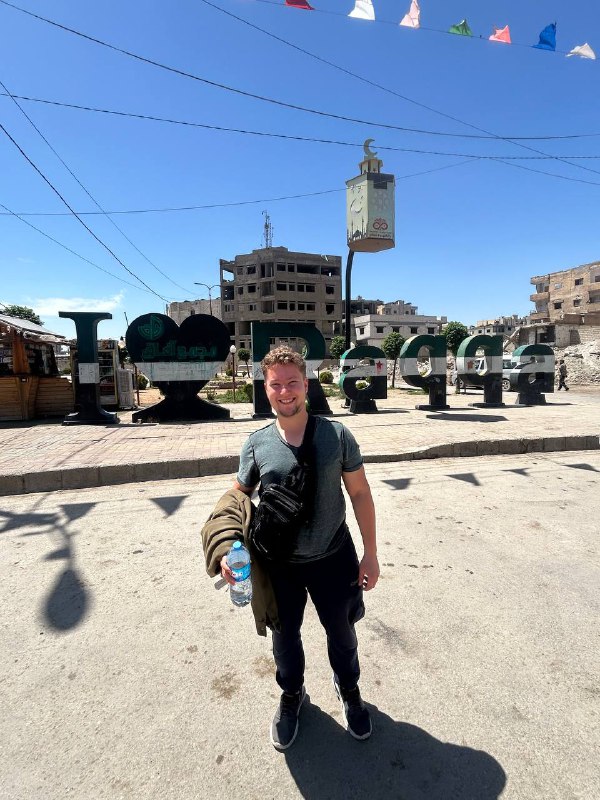
Raqqa

Independent Travel Permit in Rojava

If you’re a Syrian citizen, you are in luck. Since December 2024, you no longer require any special permission or sponsorship to visit the SDF controlled areas. However, foreign visitors still require special permission. Getting this permission as an independent visitor is not easy, as you will have to have local sponsors. Here’s how to do it:

Every single foreigner requires 2 local sponsors to get a Rojava permit, who will be legally responsible for you during your time in SDF areas. Hence, if you are two foreigners looking to visit, you will need 4 sponsors. Your sponsors will have to visit the immigration department for sponsorship in either Qamishli or Raqqa city (the Hasakah office doesn’t issue permission for foreigners) with a copy of your passport and they will have to sign that they are responsible for you. The office will then issue a document, usually within a couple of days, which will allow you to enter Rojava. Once you arrive at the first SDF checkpoint from other parts of Syria, based on your permit, they will issue you a 15 day visitor card.

What if I don’t have a sponsor?

If you can’t find a sponsor, they you will have to use a fixer in order to arrange your entry permits. Many fixers charge around 300 or 400 USD per day for their services. But if you’re on a budget, you are in luck – we offer our services for around a quarter of that price. Make sure to contact us if you are interested.

Rojava permit for journalists

If you are a journalist, and you would like to visit Rojava, then you will need a different type of permit, issued by the Media office. However, you will also need a fixer for this, and to be accompanied by them during your time in the North East. We can also help you with this service.